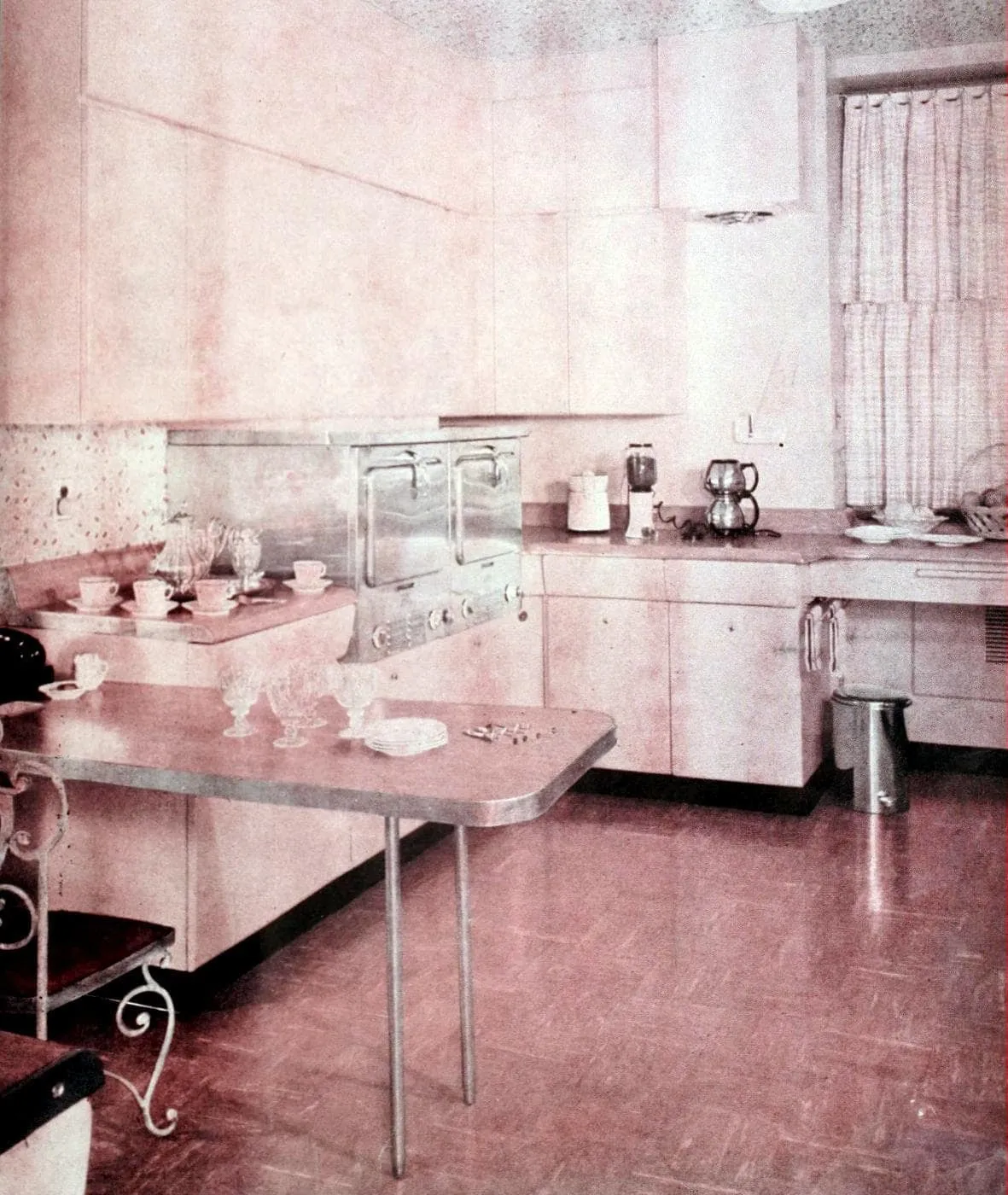
Understanding 1950s Kitchen Decor
The 1950s kitchen represents a pivotal era in design, characterized by a blend of functionality, optimism, and a touch of playful elegance. Post-war prosperity fueled a desire for modern conveniences and stylish living spaces, leading to innovative kitchen designs. This period embraced bold colors, streamlined forms, and durable materials, creating kitchens that were both efficient and visually appealing. Understanding the core principles of 1950s design is the first step in recreating this iconic aesthetic. These kitchens were not just spaces for cooking; they were the heart of the home, a place for family gatherings and social interactions. Key elements included efficient layouts, ample storage, and the incorporation of modern appliances, all contributing to the creation of a welcoming and functional environment. The use of cheerful colors and patterns further enhanced the overall ambiance, making the kitchen a vibrant and inviting space.
The Allure of Black and White
Black and white, as a design concept, has a timeless appeal and offers a sophisticated and versatile foundation for any decor. In the context of 1950s kitchen design, this classic pairing served as a striking contrast to the vibrant colors and playful patterns often found in accessories and accents. The simplicity of a black and white base allowed for a great degree of flexibility in incorporating other design elements, while still maintaining a polished and visually cohesive appearance. The use of black and white was not just a stylistic choice, but also a practical one. It created a bright and clean aesthetic that emphasized the cleanliness and functionality of the modern kitchen. This monochrome approach also lent itself well to the clean lines and geometric shapes that were characteristic of the era, contributing to a sense of order and modernism. The contrast between the two colors added depth and visual interest, preventing the space from feeling flat or dull.
Key Design Elements of 1950s Kitchens

Several key design elements define the 1950s kitchen aesthetic. These elements, when combined, create a cohesive and recognizable style. Streamlined cabinetry with flat-panel doors and simple hardware were prevalent. Formica countertops became a staple due to their durability and range of colors and patterns. Appliances, often in bold colors like turquoise, pink, or yellow, were considered centerpieces. Flooring frequently featured linoleum or vinyl tiles in geometric patterns. These elements, when carefully curated, offer a blueprint for recreating the era’s charm. The layouts were often efficient, with a focus on functionality and ease of use, creating a balanced and practical space. Adding these elements makes for a perfect recreation of the 1950s era.
Color Palette and Material Selection
When working with a black and white theme, the material choices are paramount. The combination of black and white in a kitchen, while inherently classic, provides a strong foundation for various design choices. The clean lines and geometric shapes of the era are amplified through the crisp contrast. A classic palette involves crisp white walls or cabinetry paired with black countertops or a patterned black and white floor. However, other color combinations are also possible. Materials should reflect the era, with formica or laminate countertops, linoleum or vinyl flooring, and metal or chrome accents. These materials embody the 1950s aesthetic while offering a practical and long-lasting design. The integration of these materials enhances the overall design.
Black and White The Classic Combination
The core of a 1950s black and white kitchen hinges on the strategic use of these two opposing colors. This classic combination is both striking and versatile, offering a clean and timeless look. White can be used on walls, cabinetry, and even appliances to create a sense of spaciousness and brightness, while black can be incorporated through countertops, flooring, and accents. This balance ensures that the space feels visually balanced and inviting. The strength of black and white lies in its simplicity. It allows you to play with textures and patterns without overwhelming the space. For instance, a black and white checkered floor can become a focal point, while plain white cabinets keep the look clean. The overall effect is a kitchen that is both functional and fashionable, a space that pays homage to a bygone era while maintaining its contemporary appeal. The key is to strike the correct balance, as there are many combinations.
Choosing the Right Black and White Tones

The choice of black and white shades can dramatically affect the atmosphere of your kitchen. For white, consider using shades such as pure white for a bright, clean look, or off-white or cream for a softer, warmer aesthetic. These softer tones can add a layer of depth and prevent the space from feeling stark. Regarding black, choose shades like matte black or charcoal for a more subtle approach, or a glossy black for a more dramatic statement. The chosen shades also depend on the amount of natural light the kitchen receives. Lighter shades are best for darker spaces, and darker shades work well in kitchens with ample sunlight. Consider testing samples of different shades in your kitchen to observe how the light affects them. The interplay between the colors and the surrounding environment is critical to achieving the desired ambiance, thus ensuring that the kitchen’s design is cohesive and pleasing.
Flooring Options
The flooring is a critical element in achieving the 1950s kitchen look. The most popular option is linoleum or vinyl tiles, often featuring bold geometric patterns like checkerboards or diamonds. These patterns add a playful and retro vibe. Alternatively, you can opt for a solid black or white floor, allowing other design elements to take center stage. The flooring should be durable and easy to clean, reflecting the functional aspect of 1950s kitchens. In addition to their visual appeal, these floors were known for their durability and ease of maintenance, making them ideal for a busy kitchen environment. The range of choices allows for personalization, while also ensuring the authenticity of the aesthetic. Choose the style that best suits your needs, while maintaining the 1950s appeal.
Classic Tile Patterns
Classic tile patterns such as checkerboards and other geometric designs were extremely popular during the 1950s. A black and white checkerboard pattern is arguably the most iconic, creating a bold statement that’s both visually striking and historically accurate. Consider using these patterns on floors, backsplashes, or even as accents on walls. The tiles themselves should be durable and easy to clean, which was important to the homemakers of that era. You can also consider smaller tiles for a more intricate look. Patterns also add a touch of sophistication. These options give you the flexibility to design a kitchen that truly reflects your style, while also ensuring that your kitchen stays true to the spirit of the 1950s.
Choosing the Countertops

Countertops in the 1950s kitchen were often made of Formica or other laminate materials, prized for their affordability, durability, and versatility in design. The black and white theme allows for both solid colors and patterns. Consider using solid black countertops for a sleek, modern touch or a white countertop to brighten the space. For a more authentic look, opt for Formica with subtle speckled patterns, common during that time. The choice of material is also vital to match the aesthetic and the practical needs of the kitchen. Ensure that the countertops are heat-resistant and easy to clean. Also, the integration of the right countertop will enhance the functionality of your kitchen. The countertop material is also a perfect way to integrate the black and white theme.
Material Choices
The selection of materials is critical to successfully replicating the 1950s aesthetic. Apart from Formica for countertops and linoleum for flooring, other materials to consider include chrome accents on cabinet hardware, appliances, and lighting fixtures. Wood cabinetry, often painted white or with a natural finish, was also common. The goal is to create a cohesive and authentic look. Using these materials will help reflect the spirit of the era. These materials, when carefully chosen and combined, will ensure the kitchen is durable and functional. Consider the texture and appearance of each material to create visual interest and depth. The correct balance of materials will help create the perfect 1950s kitchen.
Cabinets and Storage
Cabinets are a key element in the 1950s kitchen. Look for simple, streamlined designs with flat-panel doors. These often came in white, but could also be in other light colors. Incorporate ample storage solutions, such as drawers and cabinets, to keep the kitchen organized and functional. The design focus was as much on function as it was on design. The key is to choose cabinets that match the overall aesthetic, which provides adequate storage, and reflect the style of the era.
Cabinet Styles

Classic 1950s cabinet styles include flat-panel doors and simple hardware. These minimalist designs contribute to the clean, uncluttered aesthetic of the era. Consider the color and finish of the cabinets, opting for white or a light, neutral shade to brighten the space. Chrome or brushed metal hardware is the perfect complement. The clean lines and basic shapes of these cabinets are critical to achieving the 1950s look. The style emphasizes efficiency and simplicity, creating a timeless appeal. The overall effect is a kitchen that is organized and functional, reflecting the principles of the era.
Storage Solutions
In a 1950s kitchen, ample storage was key. Implement practical storage solutions such as built-in drawers, cabinets, and pantry spaces. Maximize your storage by adding pull-out shelves, lazy susans, and other organizational aids. The goal is to create a clutter-free environment. You can also use open shelving to display decorative items or everyday kitchen essentials. By considering storage solutions, you can ensure your kitchen is efficient and organized. This practical approach, when combined with the design of the era, allows for a functional and elegant space. Proper storage helps in maintaining the cleanliness.
Appliances and Fixtures
Appliances were considered centerpieces in 1950s kitchens. Retro appliances, often in bold colors, were popular. The refrigerator, stove, and dishwasher became focal points in the design. The use of chrome and other metal finishes enhanced the aesthetic. Lighting fixtures also played a role, often featuring sleek, streamlined designs. This era saw the rise of modern conveniences, and the kitchen designs highlighted these advances. The integration of these appliances and fixtures adds authenticity to your design. The appliances and fixtures are a critical component of the overall design.
Retro Appliances

Incorporating retro appliances is an excellent way to capture the 1950s kitchen look. Many companies offer modern appliances with a retro design. Look for refrigerators, stoves, and dishwashers with rounded edges, chrome details, and vibrant colors. If you prefer a more authentic approach, you can also find vintage appliances. Be mindful that these appliances may require specific maintenance. Retro appliances add a dash of personality and charm to your kitchen, making them a perfect way to complete the look. These retro appliances are a major statement piece.
Lighting Fixtures
Lighting fixtures also play a vital role in 1950s kitchen design. Opt for fixtures with clean lines and a focus on functionality. Pendant lights over the island or countertop, chrome or metal fixtures, and flush-mount ceiling lights were popular. This era was also known for incorporating bright, task-oriented lighting. Also consider the placement of the lighting and the overall effect. These lighting fixtures will provide ample lighting. The right lighting will create the perfect mood and atmosphere. This ensures the kitchen is both functional and visually appealing.
Accessories and Decor
Accessories and decor are key to personalizing your 1950s kitchen. Incorporate vintage items such as clocks, canisters, and dishware. Choose pieces that complement the overall design. The addition of vintage accessories will add personality. Don’t be afraid to experiment with color, patterns, and textures. These small details will give the kitchen a distinct charm. The accessories and decor are what make the space your own. Adding these elements brings the 1950s kitchen to life.
Vintage Decor Items

Adding vintage decor items is a perfect way to capture the essence of the 1950s. Search for vintage clocks, salt and pepper shakers, and kitchen utensils. The goal is to find items that reflect the style and design of the era. Vintage dishware, glassware, and cookware can also be incorporated. These pieces will add character to your kitchen and help achieve the desired look. You can also look for vintage cookbooks and advertisements. These vintage items also provide opportunities to display personal memories. By choosing vintage decor, you’ll add a personalized touch to your kitchen. These additions will make your kitchen an inviting space.
Adding Personality
Adding personality to your 1950s black and white kitchen is essential for making it your own. Incorporate elements that reflect your taste. Display family photos, add colorful accents, and incorporate personal touches. Experiment with different textures, patterns, and colors to achieve a space that’s unique to you. These personal touches will make the kitchen an inviting and welcoming space. Also, consider adding items that you are passionate about. This ensures the kitchen is functional and personalized. By adding personality to the kitchen, you will create a truly special space.
Maintaining the 1950s Aesthetic
Maintaining the 1950s aesthetic requires a commitment to the style’s core principles. Prioritize quality materials, simple design, and a balanced approach to color and pattern. Keep the space clean, organized, and functional. The space should be neat and well-maintained, allowing the design to shine. Regularly updating your kitchen with the latest design trends can also help keep it fresh and appealing. Remember to also incorporate personal touches. This ensures your 1950s kitchen will remain a timeless and stylish space. These elements help make the kitchen functional and aesthetic.