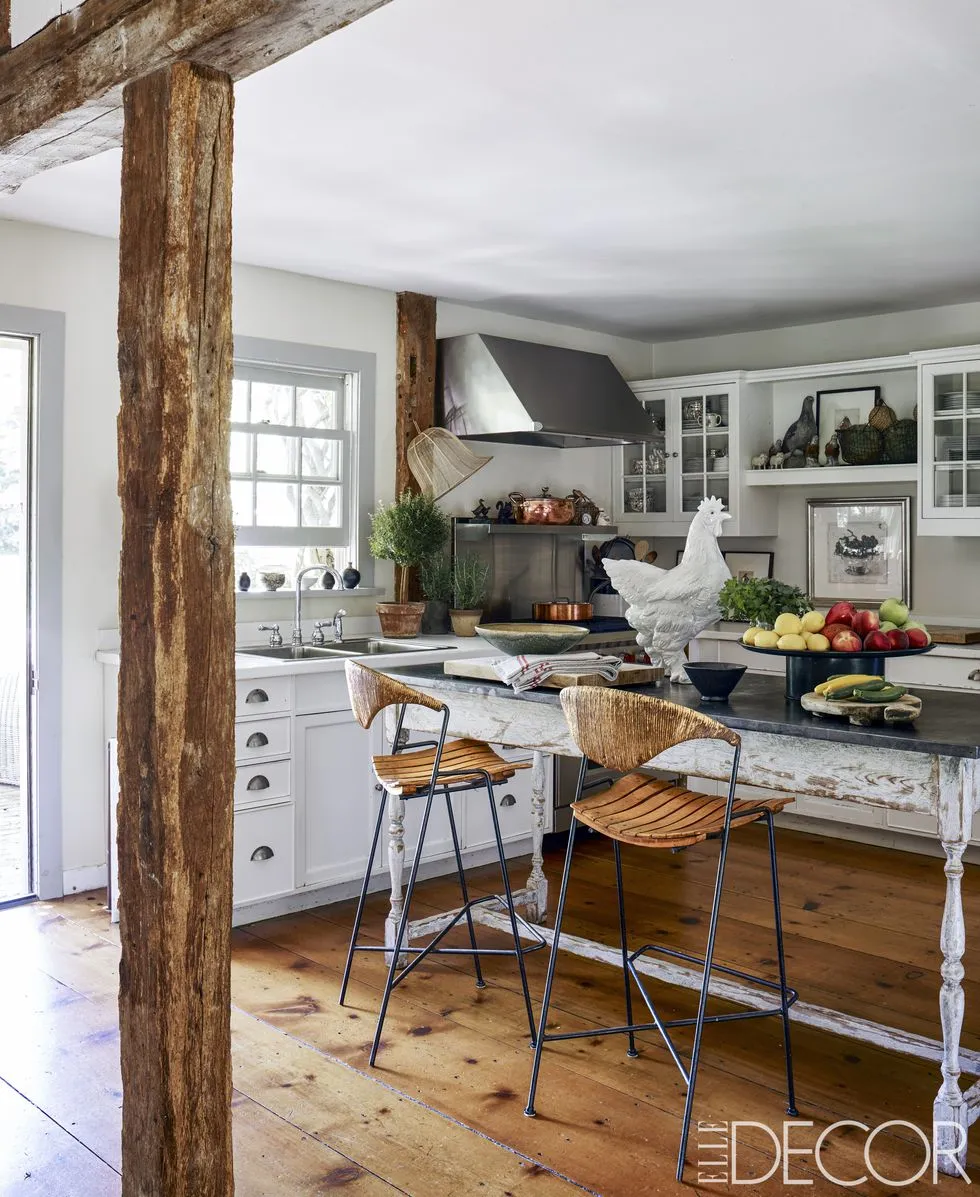
Rustic Kitchen Decor Build Your Own
Creating a rustic kitchen is all about infusing warmth, character, and a touch of the outdoors into your cooking space. This style embraces natural materials, handcrafted elements, and a lived-in feel, making your kitchen a welcoming and inviting heart of the home. The best part? You can build your own rustic kitchen decor, saving money and adding a personal touch. This guide will walk you through five fantastic DIY projects that will transform your kitchen into a charming rustic haven. From reclaimed wood shelves to a custom kitchen island, these ideas are designed to inspire your creativity and help you create a space you’ll love.
Reclaimed Wood Shelves
Reclaimed wood shelves are a quintessential rustic kitchen element. They not only provide practical storage but also add a unique visual appeal with their natural textures and imperfections. The beauty of reclaimed wood lies in its history and the stories each piece tells. Sourcing this wood can be an adventure in itself, from local salvage yards to online marketplaces, look for wood with character—knots, nail holes, and variations in color. These features are what give reclaimed wood its charm and make each shelf one-of-a-kind. The rugged look of reclaimed wood provides a striking contrast to the sleekness of modern kitchen appliances, creating a balanced and inviting atmosphere. Reclaimed wood shelves can accommodate your favorite cookbooks, displaying antique kitchenware, or housing your favorite plants, offering a versatile and aesthetically pleasing storage solution.
Gathering the Right Materials

Before you begin, gather your materials. You’ll need reclaimed wood planks (choose dimensions based on your desired shelf size), wood sealant, sandpaper, wood screws, brackets (rustic iron brackets complement the style well), a drill, a level, and a measuring tape. Additionally, consider protective gear such as safety glasses and gloves. The specific type of wood you choose can greatly influence the final aesthetic. Barn wood offers a weathered and timeworn appearance, while pallet wood can bring a more casual, industrial feel. Make sure the wood is thoroughly cleaned and treated to eliminate any splinters or loose debris. This preparation ensures both safety and longevity, allowing you to enjoy your new shelves for years to come.
Cutting and Assembling the Shelves
Measure and cut your reclaimed wood planks to the desired lengths using a saw. If you’re aiming for a uniform look, ensure your cuts are straight and precise. Sand the edges to smooth out any rough areas. Assemble the shelves by attaching the brackets to the underside of the wood using wood screws. Pre-drilling holes for the screws can prevent the wood from splitting. The brackets should be positioned at even intervals for stability and support. Once the brackets are secured, determine the placement on your kitchen wall, use a level to ensure your shelves are straight, and mark the bracket positions. Drill holes into the wall and attach the shelves using appropriate wall anchors to support the weight of the shelves and their contents. Ensure your shelves are securely mounted to the wall, adding a functional and charming element to your kitchen.
Adding a Rustic Finish
To enhance the rustic appearance, you can apply a wood sealant or a stain. Choose a stain color that complements your kitchen’s existing color scheme. Apply the stain evenly and allow it to dry completely before adding a protective sealant. This process protects the wood from moisture and wear while highlighting its natural grain and character. Consider lightly distressing the edges of the shelves with sandpaper to create a more weathered look. This technique adds to the reclaimed aesthetic, making your shelves look as if they’ve been around for years. Small details like these contribute to the charm and authenticity of your DIY rustic kitchen decor, creating a unique space that reflects your personal style and creativity.
DIY Floating Shelves

Floating shelves offer a modern twist on rustic design, blending seamlessly with the warmth of the style. Their clean lines and lack of visible supports provide a minimalist, yet inviting aesthetic. Building your own floating shelves is a straightforward project that adds functionality and charm to your kitchen. These shelves are perfect for displaying dishware, cookbooks, and decorative items, creating a focal point that enhances the overall look and feel of your space. The ease of installation and the customizable nature of floating shelves make them a versatile and attractive option for any rustic kitchen. Whether you opt for reclaimed wood or new lumber with a rustic finish, floating shelves can create a sense of openness, making your kitchen feel larger and more welcoming.
Planning Your Shelves
Begin by deciding on the size, depth, and number of your floating shelves. Measure the space where you plan to install them and sketch a design to help visualize the finished product. This planning phase is essential for determining the amount of wood you’ll need and the support system required. Choose a wood type that matches your kitchen’s aesthetic, like pine for a lighter feel or a hardwood for a more robust appearance. Consider the weight the shelves will need to support, as this will influence the type of mounting hardware you’ll use. For a truly rustic look, consider using a rough-hewn wood or staining your shelves with a weathered effect. Careful planning is the cornerstone of any successful DIY project, ensuring your shelves look great and function properly.
Installing Your Floating Shelves
Installing floating shelves involves mounting a hidden support system to the wall. There are several options for this, including metal rods that insert into the shelf or hidden brackets. Install the support system securely into the wall studs to ensure the shelves can hold weight. Once the support system is in place, slide the shelf over the supports. Make sure it fits snugly and is level. Use a level to check the shelf’s alignment and make any necessary adjustments. Finish by securing the shelf to the support system with screws from underneath. This will provide additional stability and ensure the shelves stay in place. Remember to follow the manufacturer’s instructions for the support system you choose, and consider the weight capacity when choosing the right mounting hardware for your floating shelves. This meticulous approach guarantees not only beauty but also functionality and longevity, making your kitchen a more inviting and functional space.
Rustic Signage

Rustic signage adds personality and charm to any kitchen, infusing it with a touch of vintage appeal and a personal touch. Whether it’s a witty quote, a family name, or a simple message, a well-crafted sign can become a focal point, sparking conversations and reflecting your home’s unique character. DIY rustic signs are relatively easy to create, offering a creative outlet while enhancing your kitchen’s decor. The best part is you can personalize the sign to perfectly match your kitchen’s style, color scheme, and the message you want to convey. The signs can display anything from cooking tips to the menu of the day, offering a blend of functionality and aesthetic appeal. By adding a rustic sign, you introduce a layer of warmth and individuality, instantly transforming your kitchen into a more inviting and personalized space.
Designing and Cutting the Sign
Start by selecting the wood for your sign. Reclaimed wood is an excellent choice, offering natural textures and character. If using new wood, choose a type that complements your kitchen’s style, like pine or cedar. Determine the sign’s size and shape, and then cut the wood accordingly. Consider adding a frame or a decorative border to enhance the sign’s appeal. Next, plan your design. You can use stencils, freehand painting, or vinyl lettering. Choose a font that fits the rustic aesthetic, such as a weathered serif font or a handwritten script. Sketch your design on paper before transferring it to the wood. This planning will ensure your final product matches your vision and gives a polished look. Taking the time to prepare your sign correctly is the first step in creating a beautiful rustic kitchen decor piece.
Adding Texture and Paint
To create a rustic look, consider adding texture to the wood. This can be done by sanding the wood to create a weathered appearance or by applying a crackle finish. This finish creates a unique, aged look that adds character. Once the texture is complete, apply your chosen paint colors. Use acrylic paints for durability and ease of use. If you are using stencils or vinyl letters, carefully apply them to the wood before painting the background. When the paint is dry, carefully remove the stencils or vinyl to reveal your message. For a vintage touch, consider lightly sanding the edges and corners of the sign to expose the wood underneath. Finish with a sealant to protect your sign and ensure it lasts for years. The final product will bring a rustic and personalized touch to your kitchen, transforming it into a welcoming space.
Building a Rustic Kitchen Island

A rustic kitchen island serves as a functional workspace and a stunning focal point, enhancing the overall aesthetic and practicality of your kitchen. Building your own allows for complete customization, matching your kitchen’s size, layout, and design preferences. A DIY island also adds significant value to your home and offers a rewarding project to showcase your craftsmanship. The island provides additional counter space for food preparation, storage space for kitchen essentials, and a casual dining area, maximizing the utility of your kitchen. The rustic design can be achieved through the use of reclaimed wood, distressed finishes, and handcrafted details, adding warmth, character, and a sense of history to your culinary space. Creating a kitchen island from scratch allows you to tailor every aspect of its design, making it a truly unique and personalized addition to your home.
Measuring and Planning
Careful planning is crucial for building a successful kitchen island. Start by measuring your kitchen to determine the available space and the ideal dimensions for the island. Consider how the island will interact with other kitchen elements, such as appliances, walkways, and the existing counter space. Design the island to fit your specific needs: will it include a sink, a stovetop, or simply extra counter space? Sketch a detailed plan that includes all dimensions, features, and materials. Research different rustic island designs, incorporating elements like a butcher-block countertop, open shelving, or a distressed paint finish. This meticulous planning phase will dictate every step of the construction process, ensuring the final product perfectly suits your needs and design preferences. A well-thought-out plan can save you time, money, and frustration, leading to a beautiful and functional kitchen island.
Constructing the Island Base
The base of the kitchen island provides its structural integrity. Frame the base using sturdy lumber, such as 2x4s or 4x4s. Ensure the frame is square and level. Add vertical supports for stability, and consider incorporating storage solutions, such as drawers or cabinets, within the base. If you’re aiming for a rustic look, incorporate reclaimed wood or distressed wood elements into the design. Attach the base panels and doors using screws or nails, ensuring a tight fit and proper alignment. Consider the finish for the base: a distressed paint finish, stain, or a combination of both can enhance the rustic appeal. Sand the surfaces and apply the finish of your choice, taking care to protect the wood and prevent damage. The structural base of your kitchen island lays the groundwork for years of use and enjoyment.
Adding the Countertop

The countertop is a defining element of the kitchen island. Select a material that complements the rustic aesthetic, such as butcher block, reclaimed wood, or concrete. If using butcher block, apply a food-safe sealant to protect it from moisture and wear. Attach the countertop securely to the base, ensuring it’s level and properly aligned. If using reclaimed wood, consider joining multiple pieces to create the desired countertop size, or opt for a single, large piece. For a concrete countertop, you can either pour it yourself or purchase a pre-made countertop and install it. The countertop can enhance your kitchen’s functionality and overall design. The rustic look can be further enhanced by the choice of countertop material, transforming your kitchen island into a centerpiece of both beauty and utility.
DIY Mason Jar Centerpiece
Mason jar centerpieces are a simple yet effective way to add a touch of rustic charm to your kitchen or dining table. They are inexpensive, easy to customize, and can be adapted to fit any decor style. Mason jars can be used to display flowers, candles, or decorative objects, creating a warm and inviting atmosphere. Building your own centerpiece offers a creative outlet and allows you to personalize your kitchen decor with a handmade touch. Mason jars are readily available and can be found at thrift stores, craft stores, and online marketplaces. The versatility of mason jars makes them ideal for various designs. They provide a neutral canvas that can be styled with paint, twine, lace, or other decorative elements. This simple DIY project is a perfect way to bring a touch of rustic charm to your home.
Gathering Mason Jars
Start by gathering mason jars of various sizes. You can use both regular and wide-mouth jars, depending on your desired design. Clean and dry the jars thoroughly to ensure they are ready for decorating. Consider the number of jars you need for your centerpiece and the desired arrangement. Collect any additional materials you plan to use for decoration, such as paint, twine, lace, burlap, or ribbon. If you plan to add flowers, consider purchasing a variety of seasonal blooms that complement your kitchen’s color scheme. This preparation ensures you have everything you need to create a beautiful and coordinated centerpiece. Choosing the right jars and having all the materials readily available sets the foundation for an easy and enjoyable DIY project.
Decorating the Jars

The decoration is where your creativity shines. You can paint the jars using chalk paint, acrylic paint, or spray paint. Consider adding a distressed effect by sanding the paint after it dries. Wrap twine, burlap, or lace around the jars to add texture and visual interest. Attach these materials using glue or adhesive tape. Add embellishments like buttons, beads, or small decorative objects to further personalize your centerpiece. If you’re using the jars for candles, consider adding a layer of sand or decorative stones to the bottom to help stabilize the candles. The key is to create a cohesive design that complements your kitchen’s overall aesthetic. The process of decorating is your opportunity to showcase your personal style. The choice of colors, textures, and embellishments will truly make your mason jar centerpiece unique and a perfect addition to your rustic kitchen.
Arranging Your Centerpiece
Once your jars are decorated, it’s time to arrange your centerpiece. Place the jars on a tray, a wooden board, or directly on your kitchen table. Arrange the jars in a pleasing composition, varying the heights and sizes. Fill the jars with flowers, candles, or decorative items. If you’re using flowers, trim the stems to the appropriate length and arrange them artfully in the jars. Add water to the jars if necessary. If using candles, place them securely in the jars. Consider mixing different types of decorations, such as flowers and candles, for a more dynamic look. The final arrangement should be balanced, visually appealing, and reflect your personal style. Whether it’s for a special occasion or everyday decor, your DIY mason jar centerpiece will add a touch of charm and personality to your kitchen.