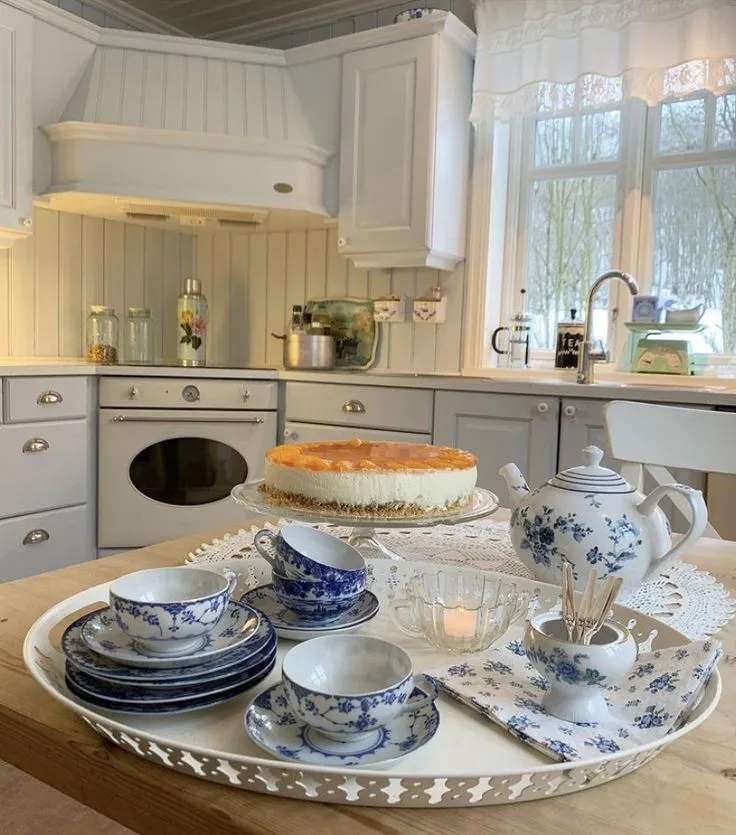
What is Vintage Kitchen Decor?
Vintage kitchen decor embraces the charm and character of the past, bringing a sense of nostalgia and warmth to the heart of your home. It’s a style that celebrates timeworn pieces, rustic finishes, and a touch of handcrafted elegance. Vintage decor often incorporates elements from different eras, creating a unique and personalized space. This can include anything from antique furniture and repurposed items to charming textiles and vintage lighting fixtures. The key is to create a lived-in feel that tells a story and reflects your individual style. The goal is to infuse your kitchen with a sense of history and personality, making it a welcoming and inviting space for cooking, gathering, and creating memories.
The Allure of Vintage Style
Vintage style holds a unique appeal because it offers a connection to the past, allowing us to appreciate craftsmanship and design that has stood the test of time. It often evokes feelings of comfort, nostalgia, and authenticity, creating a space that feels both familiar and special. Vintage decor encourages sustainability by repurposing and reusing existing items, reducing waste and giving new life to forgotten treasures. This style allows for endless creativity and personalization, as each vintage piece tells a story and contributes to the overall character of the kitchen. Moreover, vintage kitchens often feel warmer and more inviting than modern, minimalist spaces, making them perfect for family gatherings and creating a cozy atmosphere. The timeless elegance and enduring appeal of vintage style make it a desirable choice for those seeking a kitchen that is both beautiful and functional.
Top 5 DIY Vintage Kitchen Decor Ideas

Transforming your kitchen with vintage charm doesn’t require a complete overhaul. With a few DIY projects, you can infuse your space with character and personality. Here are five inspiring ideas to get you started on your vintage kitchen makeover. These projects range from repurposing old furniture to adding charming textiles and lighting. These projects are designed to be accessible and enjoyable, allowing you to create a kitchen that reflects your personal style and embraces the beauty of the past. Each idea offers a unique opportunity to add a touch of nostalgia and create a welcoming atmosphere in your kitchen.
Vintage Decor Idea 1 Repurposed Furniture
Repurposing furniture is a cornerstone of vintage decor, offering a sustainable and creative way to add character to your kitchen. Think beyond traditional kitchen furniture and consider items like an old dresser as a kitchen island or a vintage cabinet as a pantry. The key is to find pieces with unique details and a weathered look that complements the vintage aesthetic. This not only reduces waste but also adds a distinct charm that can’t be replicated with new furniture. The beauty of repurposed furniture lies in its history and the stories it tells, making your kitchen feel more personal and inviting. It allows you to create a space that is both functional and full of character.
Finding and Upcycling
The hunt for vintage furniture can be an adventure in itself! Explore flea markets, antique shops, thrift stores, and online marketplaces to discover hidden gems. Look for pieces with good bones and interesting details, such as ornate hardware, unique carvings, or distressed finishes. Once you’ve found your piece, give it a thorough cleaning and assess its condition. Small repairs can often be easily done at home, such as tightening loose joints or replacing hardware. Upcycling is a fantastic way to breathe new life into old furniture, making it both functional and beautiful. Consider the overall aesthetic of your kitchen when choosing pieces, aiming for a cohesive vintage look. The goal is to create a unique and personalized space that showcases your creativity and appreciation for vintage style.
Painting and Finishing Techniques

Painting is an excellent way to transform a piece of furniture, especially when embracing the vintage look. Chalk paint is a popular choice for its ease of use and matte finish, which gives a naturally aged appearance. Consider using a distressed technique to enhance the vintage feel. This can be achieved by layering different paint colors, sanding down the edges to reveal the wood underneath, and applying a wax finish to protect the paint and add depth. Other techniques include using crackle medium to create a textured, aged effect. When choosing colors, consider soft, muted tones like creams, pastels, or deep jewel tones, all of which complement the vintage aesthetic. Remember, the goal is to create a piece that looks loved and has a history, so don’t be afraid to experiment with different techniques and finishes.
Vintage Decor Idea 2 Rustic Open Shelving
Open shelving is a quintessential vintage kitchen element, offering both functionality and style. It provides a display space for your favorite dishes, cookbooks, and decorative items, while also adding a touch of rustic charm. Rustic open shelving can be easily DIYed using reclaimed wood or new lumber with a distressed finish. This adds a charming and inviting touch to your kitchen. The open design allows you to see and access items with ease. This project is an excellent way to incorporate vintage elements into your kitchen while adding both storage and display space. It provides a sense of openness and encourages a relaxed, lived-in atmosphere. This simple addition can have a dramatic impact on the overall aesthetic of your kitchen.
Selecting the Right Wood
When selecting wood for your rustic open shelving, consider using reclaimed wood for an authentic vintage look. Reclaimed wood adds character and history to your project, with each board telling a unique story. If using new lumber, opt for a wood species that ages well, such as pine or oak. These woods are also easily distressed. For a distressed finish, use techniques like sanding, staining, and applying a protective finish. Choose wood with natural imperfections, such as knots and grain variations, to enhance the rustic appeal. The wood should complement the overall style of your kitchen. The right wood choice is crucial for achieving the desired vintage aesthetic and ensuring the shelving is both beautiful and durable.
Installation and Styling Tips

Proper installation is key to ensure the safety and stability of your open shelving. Make sure to secure the shelves to wall studs for maximum support. Use brackets that complement the vintage style, such as wrought iron or decorative corbels. When styling your shelves, balance functionality with aesthetics. Display everyday items alongside decorative pieces like vintage jars, antique scales, and cookbooks. Group items in odd numbers for visual interest, and vary the heights of the objects to create depth. Don’t overcrowd the shelves; allow some negative space to keep the look balanced and visually appealing. The aim is to create a welcoming and organized space that reflects your personal style. Remember, the styling of your shelves is just as important as the construction, so take your time and have fun creating your unique display.
Vintage Decor Idea 3 Antique Kitchen Utensils
Antique kitchen utensils are small but impactful elements that add character and charm to any vintage kitchen. Incorporating these pieces is an easy and affordable way to add a touch of history to your decor. Think about displaying vintage whisks, wooden spoons, rolling pins, and enamelware. These utensils not only serve as decorative accents but also provide a connection to the past, evoking a sense of nostalgia and warmth. The charm of antique utensils lies in their craftsmanship, the wear and tear that tells a story, and the unique shapes and designs that reflect different eras. Antique utensils are not just functional items; they’re pieces of art that can add a lot of charm to your kitchen decor.
Displaying and Organizing
There are several ways to display your antique kitchen utensils effectively. Hang them on a pegboard, a vintage rack, or a rail above your stove. Alternatively, arrange them in a decorative jar or a vintage utensil holder on your countertop. Consider grouping utensils by type or material for a cohesive look. Mix and match utensils from different eras to create an eclectic and visually interesting display. When organizing, prioritize items that you use frequently, ensuring they are easily accessible. Displaying antique utensils adds to the functionality and aesthetic value of your kitchen, creating a space that is both practical and charming. These displays are great conversation starters.
Sourcing Vintage Utensils

Finding antique kitchen utensils is part of the fun! Explore flea markets, antique stores, and online marketplaces. Look for utensils made from durable materials like wood, enamel, and cast iron. Check for unique designs, such as wooden spoons with intricate carvings or enamelware with vibrant colors and patterns. Consider utensils that show signs of use, as this adds to their character and authenticity. Be mindful of any potential safety concerns, and always clean and sanitize utensils before use. The hunt for vintage utensils can be an exciting journey, leading you to discover unique treasures that reflect different eras and styles. Always inspect the items carefully and enjoy the process of finding pieces that resonate with your personal style.
Vintage Decor Idea 4 Charming Textiles
Textiles are essential for creating a warm and inviting vintage kitchen. They introduce color, pattern, and texture, softening the space and adding a touch of cozy charm. Think about incorporating vintage tea towels, tablecloths, curtains, and oven mitts. Textiles can instantly transform the look and feel of your kitchen, making it more visually appealing and personalized. They’re a great way to add pops of color and pattern. The charm of vintage textiles lies in their unique designs, often featuring floral patterns, geometric shapes, or classic motifs. These textiles provide a touch of comfort and history, transforming your kitchen into a welcoming and stylish space. Adding the right textiles can be a simple yet effective way to enhance the vintage aesthetic.
Choosing the Right Fabrics
When choosing textiles, select fabrics that complement your overall vintage aesthetic. Cotton and linen are excellent choices due to their natural textures and durability. Look for patterns like floral prints, gingham, and polka dots. These patterns are classic and fit seamlessly into a vintage kitchen. Consider incorporating textiles in various colors, from soft pastels to rich, saturated hues. Mix and match different patterns and textures to add depth and visual interest. The fabrics should be both functional and aesthetically pleasing. The right fabric choices will enhance the vintage charm of your kitchen, creating a space that feels both comfortable and stylish. Your choices in textiles are important for making your kitchen a welcoming and inviting space.
Sewing and Crafting Projects

DIY sewing and crafting projects are perfect for adding a personal touch to your vintage kitchen. Create your own curtains, tablecloths, or dish towels using vintage fabric scraps or new fabric with vintage-inspired patterns. Consider making oven mitts, pot holders, or apron. These DIY projects allow you to customize the textiles to match your kitchen’s unique style and color scheme. If you’re not a skilled seamstress, consider simple projects like adding decorative trim to existing curtains or creating a patchwork tablecloth. Handcrafted items add a unique charm and show off your creativity. Sewing and crafting are enjoyable and rewarding activities that allow you to create a space that is truly your own. These additions can enhance the overall aesthetic of your kitchen.
Vintage Decor Idea 5 Vintage Lighting
Vintage lighting can transform your kitchen, creating a warm and inviting atmosphere while adding a touch of elegance and history. Choose fixtures with unique designs and finishes, such as pendant lights, sconces, or chandeliers. Vintage lighting offers a chance to create a focal point in your kitchen while providing functional illumination. These fixtures can create a distinct visual statement while contributing to the vintage charm. Lighting can dramatically enhance the look and feel of your kitchen.
Selecting the Right Fixtures
When selecting vintage lighting, consider the size and style of your kitchen. Choose fixtures that complement the overall aesthetic, such as ornate chandeliers, rustic pendant lights, or elegant sconces. Look for materials like brass, iron, and glass, which were popular in older eras. The type of lighting you choose will affect your kitchen’s overall design. Consider the type of light they cast, aiming for a warm and inviting glow rather than harsh overhead lighting. Always check the wiring and ensure the fixtures are in good working condition. Choose fixtures with designs that fit your kitchen’s style. Selecting the right fixtures can dramatically enhance the beauty and ambiance of your kitchen. The right lighting can be the finishing touch that makes your kitchen a vintage showplace.
Installation and Safety

Proper installation is crucial for ensuring the safety of your vintage lighting. If you’re not experienced with electrical work, it’s best to hire a professional electrician to install the fixtures. Ensure all wiring meets safety standards. Check that the fixtures are securely mounted and properly grounded. Consider using energy-efficient LED bulbs to reduce energy consumption while still achieving the desired vintage glow. Always prioritize safety when dealing with electrical installations. Installing your vintage lighting safely guarantees that you can enjoy the added charm and functionality of your kitchen for years to come. Safety is the most important factor to consider when working with electrical items.