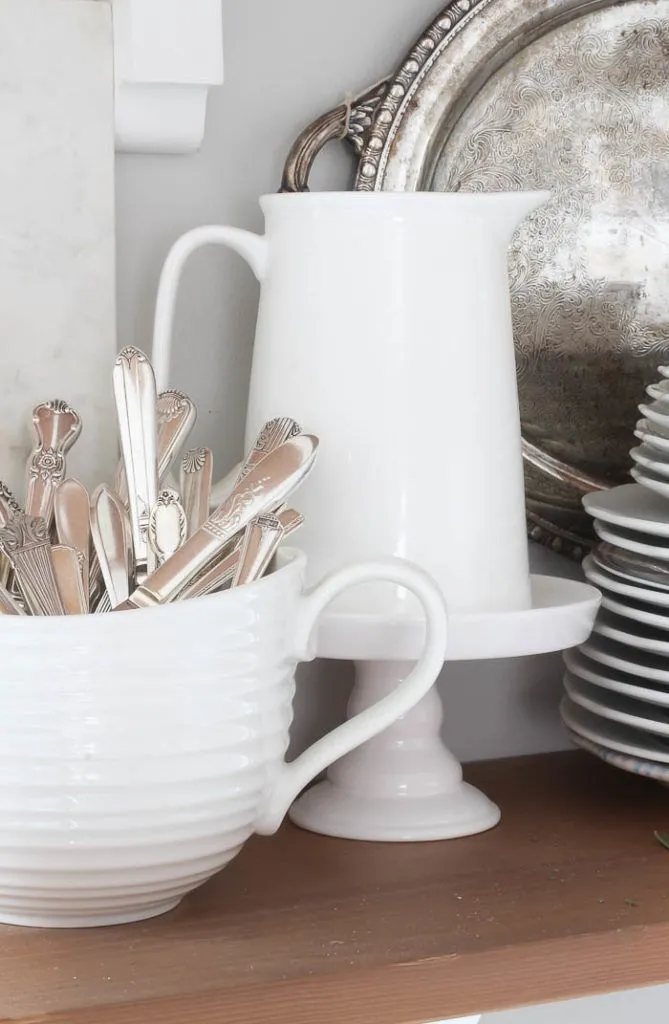
Farmhouse Kitchen Decor Guide Overview
Transforming your kitchen into a charming farmhouse haven is a rewarding experience. This guide offers a comprehensive approach, from understanding the core elements of farmhouse style to practical tips for planning, selecting materials, and arranging your decor. Whether you’re starting from scratch or looking to refresh your existing space, this guide will equip you with the knowledge and inspiration you need to create a warm, inviting, and functional farmhouse kitchen. The farmhouse style is all about blending comfort and practicality, creating a space that feels lived-in and loved, so start with this how-to guide!
Understanding Farmhouse Style
Farmhouse style, at its heart, is about embracing simplicity, functionality, and a connection to nature. It’s a design philosophy that celebrates the beauty of imperfection and the warmth of a well-loved home. Think of it as a modern interpretation of a classic rural aesthetic. It’s a blend of rustic charm, comfortable furniture, and a relaxed atmosphere. It’s about creating a space that is both beautiful and practical, where family and friends can gather and feel at home.
Key Characteristics of Farmhouse Decor

Several elements define the farmhouse style. These include a neutral color palette, natural materials, and vintage or antique accents. The overall aesthetic is usually clean and uncluttered, with an emphasis on comfortable furniture. Common features include exposed beams, shiplap walls, and open shelving. The style often incorporates vintage items such as old scales, enamelware, and repurposed furniture. Furthermore, the style often embraces distressed finishes, creating a sense of history and character. This helps to make the space feel welcoming and homely.
Materials Commonly Used in Farmhouse Kitchens
The use of natural materials is crucial to the farmhouse aesthetic. Wood is the star, whether it’s in the form of cabinets, flooring, or open shelving. Other popular materials include stone, such as granite or marble, for countertops, and metal, used in lighting fixtures and hardware. Textiles like linen and cotton add softness and texture, while materials like brick and reclaimed wood add warmth and rustic charm. These materials provide a tactile and visually appealing experience. Remember that the goal is to create a space that is both functional and visually inviting, reflecting a sense of comfort.
Planning Your Farmhouse Kitchen
Before diving into decor, thoughtful planning is key. Consider your space, budget, and personal needs. This will ensure that your farmhouse kitchen is both beautiful and functional. Assessing your current kitchen’s layout, natural light, and storage capacity is crucial. Moreover, it’s equally important to define your budget and prioritize your spending to maximize your investment. Planning allows you to create a functional space that complements your lifestyle and adds value to your home.
Assessing Your Space and Needs

Take a close look at your existing kitchen. What are its strengths and weaknesses? Note the amount of natural light, the existing layout, and the current storage solutions. Do you need more counter space? Is the layout efficient? Think about how you use your kitchen and what could make it more functional. Consider your family’s needs and lifestyle. Do you need a dedicated workspace for meal prep? The answers to these questions will help you to create a functional plan.
Defining Your Budget
Set a realistic budget early on. Farmhouse kitchen renovations can range from small updates to complete overhauls. Determine how much you’re willing to spend. Break down your budget into categories such as cabinetry, countertops, appliances, lighting, and decor. This helps you to prioritize spending and make informed decisions. Research costs for different materials and services. Prioritizing your spending allows you to achieve the desired aesthetic while staying within your financial limits.
Choosing Your Color Palette
Farmhouse kitchens typically feature a neutral color palette. Whites, creams, grays, and soft pastels are common. These colors create a clean and airy feel. Consider using these colors as a base and adding pops of color through accessories, such as textiles or artwork. Incorporating natural wood tones adds warmth and texture to the space. Don’t be afraid to introduce pops of color; think blues, greens, and yellows in a way that complements the overall design. This ensures that your kitchen remains inviting and visually balanced.
Essential Farmhouse Kitchen Elements

Key elements contribute to the farmhouse aesthetic. Cabinets and storage are central to any kitchen design. Countertops and backsplashes set the tone, while lighting provides both function and style. Furniture and seating complete the space, adding functionality and comfort.
Cabinets and Storage
Cabinets form the foundation of your kitchen. Their style, color, and material significantly impact the overall design. Storage solutions must be both functional and aesthetically pleasing, contributing to the farmhouse feel. Think about your storage needs and how you will use your kitchen. Consider how you can maximize space. Your choice will determine the overall look and feel of your kitchen.
Popular Cabinet Styles
Shaker-style cabinets are a classic choice, with their simple, recessed panel doors. These offer clean lines and versatility. Beadboard cabinets add a touch of rustic charm, while painted cabinets in white or light colors create a bright, airy feel. Consider open shelving to display dishes and decor, adding to the farmhouse style. Your cabinet choice should complement your countertop and backsplash choices, creating a cohesive design.
Storage Solutions and Organization

Effective storage is essential for a functional kitchen. Consider pull-out drawers for easy access to pots and pans. Utilize corner cabinets with lazy susans to maximize space. Install pantry organizers to keep dry goods neat and accessible. Use baskets and containers to organize open shelving. Proper organization makes your kitchen more efficient and helps maintain the farmhouse aesthetic.
Countertops and Backsplashes
Countertops and backsplashes not only protect your walls and work surfaces but also contribute to the kitchen’s design. They can define the style of your kitchen. They must be durable and visually appealing. The right combination of materials enhances the farmhouse aesthetic, creating a cohesive design.
Materials for Countertops
Granite and marble are popular choices for their natural beauty and durability. Butcher block countertops add warmth and a rustic touch, and they are perfect for farmhouse kitchens. Quartz offers a low-maintenance alternative. Consider the durability, maintenance requirements, and aesthetic appeal of each material. Your countertop choice should complement your cabinets and overall design.
Backsplash Options

Subway tile is a classic choice that blends seamlessly with farmhouse style, adding a touch of clean lines and simplicity. Beadboard backsplashes provide a rustic charm. Consider using patterned tiles or reclaimed materials. The backsplash should complement your countertops and other design elements. Your backsplash choice can provide a touch of color or texture.
Lighting
Lighting is crucial for both function and aesthetics. The right fixtures create the right atmosphere. Layered lighting (ambient, task, and accent) is key to a well-lit kitchen. Good lighting is essential for food preparation and other activities. It also adds to the overall style of your kitchen.
Types of Lighting Fixtures
Pendant lights over an island or breakfast bar add task lighting and visual interest. Chandeliers can create a statement over a dining table. Consider recessed lighting for general illumination. Add sconces above the sink or on walls for ambient light. Select fixtures that complement your kitchen’s style. Consider the size and style of your lights to fit the scale of the room and the overall look you’re trying to achieve.
Placement and Layering of Lighting

Layer your lighting to achieve the best results. Start with ambient lighting to provide overall illumination. Add task lighting over work areas, such as the sink or stove. Incorporate accent lighting to highlight features or decor. Proper placement of fixtures ensures that your kitchen is both functional and visually appealing.
Furniture and Seating
The right furniture adds comfort and personality. Choosing the right table, chairs, and island or cart creates a cohesive look and enhances the functionality of the space. The furniture should complement the overall design scheme, contributing to the comfort of the space.
Selecting the Right Table and Chairs
A rustic wooden table is a staple. Consider a farmhouse table with a distressed finish. Mix and match chairs for a unique look. Upholstered chairs with linen or cotton fabric can add comfort. Select chairs that are both stylish and comfortable, creating a welcoming dining area.
Adding a Kitchen Island or Cart
A kitchen island provides extra counter space and storage. It can also be used as a breakfast bar. A kitchen cart adds flexibility and is a great option for smaller kitchens. Choose an island or cart that complements your cabinets and overall design. The right addition increases both functionality and style.
Decor and Accessories
Decor and accessories add personality and charm. Textiles, decorative objects, and vintage finds create a cohesive and stylish kitchen. These finishing touches complete your farmhouse kitchen and enhance its overall appeal.
Textiles and Fabrics
Textiles bring softness and texture to the kitchen. Consider adding curtains and window treatments, table linens, and kitchen towels. They enhance the aesthetic. They can also provide a touch of color and pattern. The selection adds comfort and warmth.
Curtains and Window Treatments
Linen or cotton curtains create a soft and inviting look. Roman shades add a touch of elegance. Consider using neutral colors or subtle patterns. Choose window treatments that complement the overall design. Your choice can enhance the room’s natural light.
Table Linens and Kitchen Towels
Use linen or cotton tablecloths and napkins to add texture and style to the dining area. Display patterned kitchen towels in a decorative way. This adds pops of color and personality. Make sure you choose textiles that enhance the overall look.
Decorative Objects
Accessories add personality. Display vases, pottery, and vintage finds. These items complete the farmhouse look. Display decorative objects to create visual interest.
Vases and Pottery
Use ceramic or stoneware vases to display fresh flowers or greenery. Display vintage pottery on open shelving. These accents bring life and add visual appeal. Your display should complement the overall style of the kitchen.
Vintage and Rustic Finds
Incorporate vintage items like scales, enamelware, or antique signs. These items create a sense of history and character. Repurpose old furniture or create unique decor pieces. Displaying vintage finds enhances the farmhouse aesthetic and brings the space to life.
Putting it All Together
Arranging your decor and maintaining the farmhouse look are essential to creating the desired aesthetic. These steps will help you to achieve a cohesive and charming farmhouse kitchen. They ensure that the final result reflects your personal style. These finishing touches tie everything together, making your kitchen feel complete.
Arranging Your Decor
Create focal points using your favorite decorative items. Arrange items in groups of three for visual interest. Balance the decor to create a harmonious space. Maintain a clean and uncluttered look. Proper arrangement of your accessories enhances the overall aesthetic.
Maintaining the Farmhouse Look
Clean regularly to keep the space looking fresh. Change your decor seasonally. Update your accessories to keep your kitchen feeling fresh. Embrace imperfections. These steps help you to maintain the charm of your farmhouse kitchen for years to come.