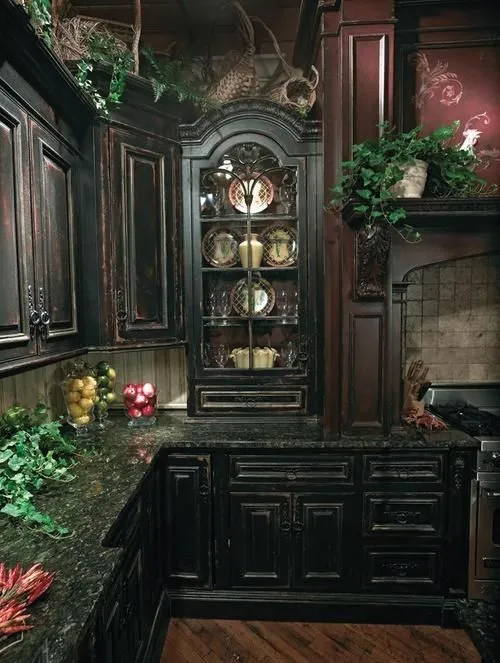
Transforming your kitchen into a gothic sanctuary is a captivating way to express your unique style. This design embraces the allure of darkness, combining it with elegance and sophistication. Gothic kitchen decor is not just about creating a dark space; it’s about crafting an atmosphere that feels both inviting and mysterious. It allows you to infuse your kitchen with a sense of history and drama. If you’re looking to move away from the standard white and bright kitchen, gothic design provides a rich and distinctive alternative. It involves carefully selecting design elements, from the color palette to the furniture and accessories, to achieve the desired ambiance.
Choosing Gothic Kitchen Decor Design Elements
The foundation of any gothic kitchen starts with the careful selection of design elements. These elements work together to create a cohesive and visually stunning space. It’s not just about the individual pieces, but how they interact and complement each other. A well-designed gothic kitchen will balance the darkness with touches of elegance and luxury, preventing it from feeling overly heavy or oppressive. The key is to create a space that is both visually striking and functional, allowing you to enjoy cooking and gathering in your kitchen.
Selecting Color Palettes
The color palette is the heart of gothic kitchen design. Embrace deep, rich hues that evoke a sense of mystery and drama. Consider colors like charcoal gray, deep burgundy, forest green, and, of course, black. These colors create a strong foundation and set the tone for the entire space. Combining these darker shades with metallic accents such as bronze, silver, or gold will add a touch of sophistication and prevent the space from feeling too flat. It is also important to consider the natural light in your kitchen, as darker colors can make a space feel smaller if there isn’t enough light.
Dark Paint Colors and Their Impact

Dark paint colors can transform your kitchen, making it feel more intimate and enveloping. They are also a great backdrop for showcasing other design elements. Dark colors absorb light, so it’s important to balance them with adequate lighting and lighter accents. When choosing dark paint, consider the undertones. Colors like charcoal gray can have cool or warm undertones, which will affect the overall feel of the space. Test paint samples in your kitchen to see how the colors change throughout the day and how they interact with your existing lighting and fixtures.
Incorporating Black and Deep Tones
Black is a classic gothic element, offering a sense of drama and sophistication. You can use black on the cabinets, walls, or even the ceiling to create a strong visual impact. Deep tones like burgundy, navy blue, and forest green add richness and depth to the space, complementing the black and providing visual interest. Use these colors strategically – perhaps on an accent wall, or as a color for the cabinets, or in your decorative pieces. The goal is to create a balanced look that avoids being overwhelming.
Adding Texture with Stone and Wood
Texture is key to adding depth and interest to your gothic kitchen. Incorporate natural materials like stone and wood to create a sense of warmth and authenticity. Consider using a stone backsplash or countertop to add a touch of rustic elegance. Dark wood cabinets and flooring can provide a rich contrast to the darker paint colors, grounding the space and adding warmth. The contrast between the stone and wood creates visual interest and prevents the space from feeling too stark.
Gothic Kitchen Decor Furniture and Fixtures

The furniture and fixtures you choose are crucial in defining the gothic style of your kitchen. These elements contribute to the overall atmosphere and help create the desired aesthetic. The right choices can transform a simple kitchen into a dramatic and stylish space. Opt for pieces with intricate detailing and a sense of history, combining functionality with beauty. Consider the materials and finishes of your furniture to ensure that they complement the overall color palette and design scheme.
Cabinets and Countertops
Cabinets and countertops are the key focal points. Dark wood cabinets or cabinets painted in deep colors are essential to a gothic look. Consider the style of your cabinets. Raised panel doors or ornate detailing can enhance the gothic feel. Countertops should complement the cabinets and overall color scheme. Consider materials like granite, marble, or quartz with dark veining to add drama and sophistication. The contrast between the cabinets and countertops should be visually appealing without being overwhelming.
Choosing Dark Wood or Painted Cabinets
Dark wood cabinets offer a classic gothic touch, adding warmth and richness to the space. Consider woods like mahogany, walnut, or cherry, or opt for cabinets painted in deep, saturated colors. The choice depends on the overall aesthetic you want to create. Painted cabinets allow for more flexibility in color, while dark wood provides a natural, textured feel. Ensure the wood grain is visible, which helps enhance the gothic feel. Whatever you choose, ensure the finish is durable and resistant to wear and tear, as kitchen cabinets endure heavy use.
Countertop Materials to Consider

Countertops are essential for adding both style and function to your kitchen. Granite, marble, and quartz are all excellent choices. Granite offers a durable and unique look with its natural patterns and variations. Marble provides a luxurious feel, although it requires more maintenance. Quartz is a low-maintenance option that mimics the look of natural stone and offers a wide range of colors and patterns. Dark countertops with veining or patterns add visual interest. Whatever material you select, ensure it complements the cabinets and other design elements.
Lighting Fixtures for a Gothic Look
Lighting is critical in a gothic kitchen design. Chandeliers, pendant lights, and task lighting can contribute to the overall mood and functionality. Choose fixtures that fit the gothic style, such as wrought iron, ornate metal, or crystal chandeliers. The type of lighting can dramatically change the mood of your kitchen. Ensure the lighting is functional. Layer your lighting to include ambient, task, and accent lighting. The goal is to create a space that’s both beautiful and practical, with enough light to cook and gather comfortably.
Chandeliers and Statement Pieces
Chandeliers are a key element in gothic design. They make a bold statement and add a touch of elegance and drama. Choose a chandelier made of wrought iron, crystal, or a combination of materials. Consider the size of the chandelier in relation to the space – it should be large enough to make an impact but not overwhelm the room. Make sure it is hung at a height that allows for adequate light distribution while still being functional. Statement pieces in your kitchen can add layers of visual interest and personality to your design.
Task Lighting Options

Task lighting is essential for functionality in the kitchen. Install pendant lights over the kitchen island or countertops to provide focused illumination. Under-cabinet lighting can illuminate the workspace and add a soft glow. Consider using dimmable lights to adjust the ambiance to your mood. Choose fixtures that complement the overall gothic theme, such as metal or glass pendants with dark finishes. Task lighting combines practicality with aesthetics, making the kitchen a more enjoyable space for cooking and working.
Accessorizing Your Gothic Kitchen
Accessorizing your gothic kitchen is the finishing touch that pulls the whole design together. It’s the details that elevate the space from functional to stunning. Carefully chosen accessories add personality and character, creating an atmosphere that is both inviting and reflective of your personal style. Choosing the right accessories can enhance the gothic theme, from the hardware on your cabinets to the textiles you choose.
Incorporating Gothic Decor Items
Incorporate gothic decor items such as ornate mirrors, antique candlesticks, and wrought iron accents. Choose pieces with gothic motifs like crosses, gargoyles, or fleur-de-lis. These items should blend with the kitchen’s overall design. Select accessories that complement the color scheme and the materials used. Antique or vintage items can add character and history. Be mindful of the number of items you choose so that the space does not become cluttered. A few well-placed items are more effective than numerous smaller ones.
Choosing Decorative Hardware and Knobs

Hardware can significantly impact the look of your gothic kitchen. Choose knobs and pulls made of materials like wrought iron, bronze, or pewter. Opt for ornate designs with intricate detailing or gothic-inspired shapes. The hardware is a functional element that can also serve as a decorative focal point. Ensure that the hardware style matches the cabinets. Consider the size and style of the hardware. The hardware should be durable and easy to use. The hardware should not be too ornate or it will make the kitchen feel cluttered.
Using Textiles and Fabrics
Textiles and fabrics can add warmth, texture, and visual interest to your gothic kitchen. Use curtains, table linens, and chair cushions to incorporate gothic-inspired patterns and colors. Choose fabrics like velvet, damask, or brocade, which add a touch of luxury. The textiles you choose should harmonize with the color palette, complementing the dark walls and cabinets. Ensure the textiles are practical. Select fabrics that are easy to clean and maintain in a kitchen environment.
Adding Dramatic Curtains and Table Linens
Curtains and table linens can dramatically enhance the gothic theme in your kitchen. Use heavy, dark-colored curtains to add a sense of drama and privacy. Velvet, damask, and other rich fabrics are excellent choices. Table linens can complement the overall design and provide a luxurious touch. Select table runners and placemats with gothic patterns, such as fleur-de-lis or gothic arches. The textiles should harmonize with the color scheme, complementing the walls and cabinets. The curtains and table linens also provide a degree of privacy, especially in the kitchen.
Gothic Kitchen Decor Lumber Liquidators Alternatives

When designing a gothic kitchen, flooring choices play a crucial role in setting the overall aesthetic. While Lumber Liquidators can be a source for some flooring options, exploring alternatives can provide a wider range of materials and styles that align with the gothic theme. The right flooring choice can add texture, visual interest, and a sense of depth to your kitchen. Consider materials that evoke history, drama, and elegance. This section will explore some flooring options. There are many different materials to consider.
Exploring Flooring Options
Consider flooring options that complement the dark and moody aesthetic of a gothic kitchen. Dark wood flooring, stone tiles, and even patterned tiles can enhance the space. Dark wood flooring adds warmth and a sense of history. Stone tiles offer a touch of rustic elegance and durability. Patterned tiles can introduce visual interest. When selecting flooring, think about the durability of the materials and the maintenance requirements. Choose flooring that matches the overall design of your kitchen, creating a cohesive and stylish space.
Alternatives to Lumber Liquidators Flooring
If you are seeking alternatives to Lumber Liquidators, consider exploring specialty flooring stores, local artisans, and online retailers. Consider dark hardwood flooring options, such as walnut, mahogany, or ebony. These woods add a luxurious and gothic touch. Stone tiles, such as slate or granite, can provide a rustic elegance. Patterned tiles featuring gothic motifs can add unique detail. The choice of flooring is a personal one, based on the budget. Look for materials that align with your design goals and budget.
Comparing Costs and Materials
When choosing flooring, consider the costs and materials involved. Hardwood flooring can be a significant investment but provides a timeless appeal. Stone tiles are durable and can add value to your home, but they can also be expensive. Patterned tiles offer more affordable options. Compare the costs of various materials and consider the long-term durability and maintenance requirements. Evaluate the different materials based on your budget and design goals, as well as the lifespan.
Conclusion
Creating a gothic kitchen is a journey of design, expression, and personalization. Embrace the darkness, incorporate rich textures, and infuse your space with elements of drama and history. By carefully choosing your design elements, from the color palette and furniture to the accessories and flooring, you can craft a kitchen that is both stunning and functional. This allows you to showcase your unique style, as well as create a space that is both inviting and full of character. The key to success is a commitment to the details, and a passion for the gothic aesthetic.