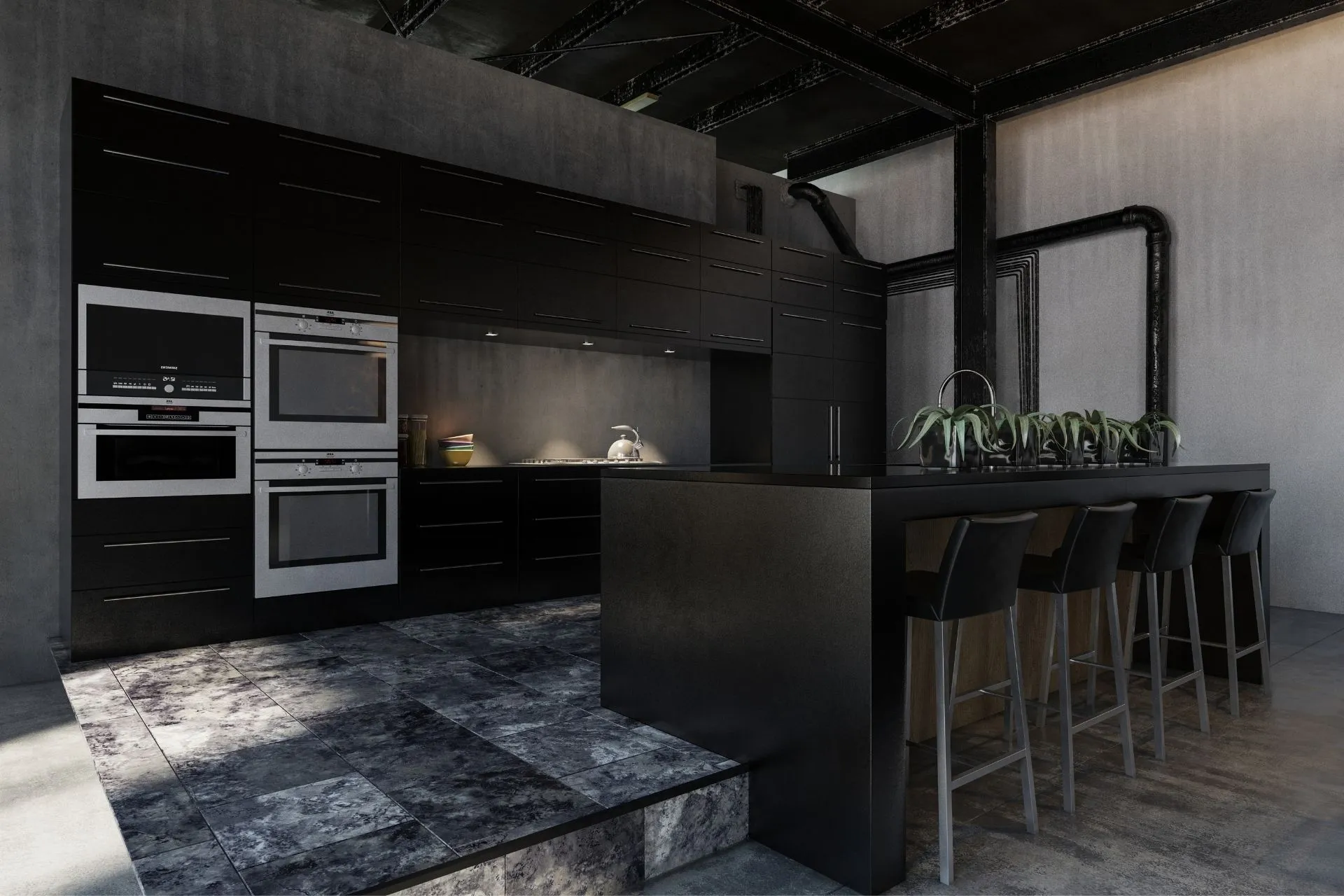
Defining Gothic Kitchen Decor and Rustic Charm
Gothic kitchen decor and rustic charm create a unique blend of dramatic elegance and cozy comfort. This style marries the mysterious allure of Gothic design with the warmth and simplicity of rustic elements. The result is a kitchen that feels both opulent and inviting, a space where you can feel like you’re stepping into a timeless sanctuary. This transformation involves understanding each style’s key components and then harmoniously integrating them. The goal is to create a kitchen that reflects personality, taste, and a love for both history and homeliness. The essence lies in embracing the juxtaposition of dark, ornate features with natural, weathered textures, creating an intriguing visual narrative.
Understanding the Gothic Aesthetic
The Gothic aesthetic, originating from medieval architecture, is known for its grandeur, dramatic elements, and spiritual undertones. It features pointed arches, vaulted ceilings, and intricate detailing. In the context of kitchen design, this translates to dark, rich colors, ornate embellishments, and an overall sense of mystery and sophistication. Key elements often include heavy, imposing furniture, dramatic lighting, and the use of religious or symbolic motifs. The Gothic style emphasizes verticality, creating an impression of height and space, even in smaller areas. Understanding these principles is the first step in incorporating this dramatic aesthetic into your kitchen design, allowing you to carefully select features that complement the other elements of your design.
Key Elements of Gothic Design

Several elements define the Gothic style. Pointed arches can be incorporated through the design of doorways, windows, or even decorative elements on furniture. Vaulted ceilings, if possible, add to the dramatic height of the space. Intricate detailing, such as carved wood panels or decorative metalwork, adds a layer of sophistication. Dark, rich colors, such as deep reds, purples, and blacks, set a moody and elegant tone. Heavy, imposing furniture, often made of dark wood and adorned with carvings, is typical. Dramatic lighting, using fixtures like chandeliers and sconces, enhances the atmosphere. Finally, religious or symbolic motifs, such as crosses or gargoyles, can be incorporated for a touch of authenticity. These elements, when carefully selected and combined, create a truly Gothic kitchen.
Embracing Rustic Style
Rustic style emphasizes the beauty of natural materials and a connection to the earth. It’s characterized by the use of raw wood, stone, and other natural textures. Rustic kitchens are typically warm, inviting spaces, with a focus on simplicity and functionality. The style embraces imperfections, celebrating the unique character of each piece of wood or stone. This style often features a neutral color palette with earthy tones, creating a sense of calm and comfort. Rustic kitchens often incorporate vintage or antique furniture, which adds character and a sense of history. Open shelving is common, as is the use of handmade or handcrafted items, adding to the unique and inviting atmosphere.
Combining Gothic and Rustic Elements
The magic of this design lies in contrasting these two distinct styles. The key is to balance the ornate and dramatic elements of Gothic design with the simplicity and natural textures of rustic. Use dark, moody colors for the walls and cabinetry, then balance them with natural wood elements, such as a reclaimed wood island or open shelving. Incorporate Gothic-inspired furniture, such as a dining table with carved details or a cabinet with arched doors. Add rustic touches with natural stone countertops, exposed brick, or woven baskets. The lighting should also be a blend of both styles: a dramatic chandelier combined with rustic sconces. The goal is to create a space that is both visually striking and comfortably inviting. It’s about using contrasts to enhance each other.
Color Palette

The color palette is crucial in creating the desired atmosphere. The combination of dark, moody colors with earthy tones forms the foundation of a Gothic-rustic kitchen. Dark, rich hues like deep reds, purples, and blacks, typical of Gothic design, can be used on walls, cabinets, or accent pieces. These colors create a dramatic and sophisticated backdrop. Earthy tones, such as warm browns, creams, and grays, add warmth and a sense of naturalness. Natural wood elements, with their varying shades and grains, also play a significant role. Accents of gold, silver, or bronze can be incorporated to add a touch of opulence, especially through hardware or lighting fixtures. These colors create a balanced, visually compelling space that is both inviting and dramatic, perfectly encapsulating the aesthetic.
Dark and Moody Colors
Dark and moody colors are essential for creating the Gothic ambiance. Consider painting the walls in deep shades of charcoal gray, navy blue, or even a rich, dark burgundy. These colors create a sense of drama and sophistication. Dark cabinetry, whether in a matte or slightly glossy finish, adds to the overall mysterious feel. Use these colors strategically, perhaps on an accent wall or on the lower cabinets, to avoid overwhelming the space. Dark colors are not just about the walls; they can also be incorporated through furniture, textiles, and decorative items. When used effectively, dark colors can create a space that feels both intimate and luxurious, transforming your kitchen into a captivating environment.
Earthy Tones
Earthy tones balance the darkness with warmth and a sense of groundedness. Incorporate warm browns, creams, and soft grays to create a comforting and inviting atmosphere. These colors can be used on walls, cabinetry, or flooring. Natural wood elements, such as a reclaimed wood island or open shelving, also contribute to the earthy aesthetic. Stone countertops, in colors like beige or tan, add a touch of natural texture. Consider using these colors as a base, then layering in darker accents to create depth and contrast. The combination of dark and earthy tones, when implemented thoughtfully, results in a cohesive and balanced color scheme that captures the essence of the Gothic-rustic style. This palette offers an atmosphere that is both dramatic and inviting.
Furniture Selection

Furniture plays a vital role in defining the style of your kitchen. Gothic-inspired furniture often features dark wood, ornate carvings, and imposing silhouettes. Consider a dining table with intricately carved legs or a cabinet with arched doors and decorative hardware. Incorporating rustic furniture, like a farmhouse-style table or a vintage sideboard, adds warmth and character. The key is to select pieces that blend both styles harmoniously. This might involve a mix of dark, imposing pieces with more relaxed, weathered items. The selection should reflect a balance between elegance and practicality. Ensure that each piece adds to the overall narrative. Furniture choices should be about creating an inviting and functional space.
Choosing Gothic-Inspired Furniture
When choosing Gothic-inspired furniture, look for pieces made of dark wood, such as mahogany or walnut. These woods create a sense of drama and sophistication. Pay attention to details like carved accents, pointed arches, and intricate hardware. A dining table with carved legs and a high-backed bench can be a striking centerpiece. Cabinets with arched doors or ornate pulls add to the Gothic aesthetic. Don’t be afraid to incorporate vintage or antique pieces, as they often have the detailing and character that defines the Gothic style. Make sure that the furniture fits well within the kitchen space, and complements the overall design scheme, avoiding a cluttered look.
Incorporating Rustic Furniture
Rustic furniture adds a touch of warmth and informality. Consider a farmhouse-style table made from reclaimed wood as the focal point of your dining area. Open shelving, constructed from rough-hewn wood, provides both storage and a place to display your favorite items. A vintage sideboard, with its weathered finish and charming imperfections, can serve as a functional and decorative element. Look for pieces made from natural materials, like wood and stone, that have a sense of history and character. The goal is to create a balanced blend of styles, where each piece complements the other. Choose furniture that reflects both your personal tastes and the overall design, creating a comfortable, functional, and stylish kitchen.
Material Choices

The selection of materials is crucial. Combining wood and stone with metal and iron elements can make your kitchen unique. Wood and stone provide natural texture and warmth, while metal and iron introduce an element of drama and sophistication. The choices should reflect a balance between natural and man-made materials. The focus is on textures, grains, and finishes. A careful mix of materials will create a kitchen that is both aesthetically pleasing and functional, capturing the essence of the Gothic-rustic style. This combination creates an engaging and layered visual experience, enhancing the overall design.
Wood and Stone Accents
Wood and stone are fundamental to the rustic aesthetic. Use reclaimed wood for your island, open shelving, or dining table to add warmth and character. Choose stone countertops, such as granite or soapstone, with a natural, textured finish. Incorporate elements like a stone backsplash or a stone floor to enhance the rustic feel. The grains and imperfections in wood add to its unique appeal. Consider using wood paneling on walls or cabinet fronts to bring in more texture. These natural materials create a connection to the earth and provide a sense of comfort and authenticity. The play of textures and tones will elevate the space and set it apart.
Metal and Iron Details
Metal and iron add a touch of Gothic drama and sophistication. Incorporate wrought iron elements, such as cabinet pulls, light fixtures, or decorative accents. Consider a metal range hood or a pot rack to add an industrial touch. Use brass or bronze hardware for a touch of opulence. Black metal is a staple in Gothic design, so consider using it for your window frames, cabinet frames, or even as accents on your furniture. The contrast between metal and wood or stone creates a visually appealing balance. The interplay of these materials makes a kitchen that is both functional and visually striking.
Lighting and Ambiance

Lighting plays a significant role in setting the mood. A Gothic-rustic kitchen requires a combination of dramatic and warm lighting. Layer the lighting, using a mix of overhead, task, and ambient light. Select fixtures that complement both Gothic and rustic styles. Use dimmers to control the intensity of the light, creating different moods depending on the time of day or the occasion. Lighting can elevate the overall design. The goal is to create a space that is both functional and inviting, where the lighting enhances the aesthetic.
Lighting Fixtures
Choose lighting fixtures that blend Gothic and rustic elements. A wrought iron chandelier with candle-style bulbs can add a dramatic touch. Sconces with a vintage or antique design can enhance the rustic charm. Consider pendant lights with metal shades or a rustic wooden beam with recessed lighting. Ensure that the fixtures match the scale of your kitchen. Place lighting above the island for task lighting, over the dining table, and in other functional areas. Layering the lighting will create a more interesting and functional space. When choosing, consider the visual impact of the light. The right lighting fixtures will not only illuminate your kitchen but also enhance its design.
Candlelight and Mood Lighting
Candlelight adds a touch of Gothic romance. Use candles in various sizes and styles, from simple tapers to ornate candelabras. Place candles on the countertops, the dining table, or even the open shelving. To further enhance the ambiance, consider incorporating mood lighting. Install dimmer switches on your overhead lights, and use soft, warm-toned bulbs. You can also add accent lighting, such as under-cabinet lights or strip lights. The goal is to create a warm, inviting atmosphere. With careful planning, you can transform your kitchen into an enchanting space.
Decorative Accents

Decorative accents are essential for adding personality and character to your kitchen. Choose items that reflect both Gothic and rustic styles, creating a balanced and cohesive look. Displaying these elements can define the overall aesthetic of the space. Displaying items like antique mirrors, wrought iron candle holders, or rustic pottery pieces, you can infuse your kitchen with character and charm. Don’t be afraid to mix and match different elements to create a space that reflects your individual taste. These details are what transform a kitchen into a unique and inviting place, reflecting your aesthetic.
Gothic Decor Elements
Incorporate Gothic elements such as antique mirrors with ornate frames, wrought iron candle holders, and gothic-style wall art. Consider displaying religious or symbolic motifs, such as crosses or gargoyles. Choose decorative items made of dark, rich materials, such as velvet or brocade. Enhance your Gothic theme with antique or vintage decor. These details will enhance the overall Gothic aesthetic.
Rustic Decor Elements
Embrace rustic elements such as pottery, woven baskets, and vintage kitchenware. Display items made of natural materials, such as wood or stone. Consider adding fresh flowers or herbs in rustic pots. Display antique kitchen tools. These elements add warmth and character to your kitchen. Create a space that is both functional and visually appealing, creating a welcoming and comfortable environment.
Textiles and Fabrics
Textiles and fabrics are important for adding softness, texture, and warmth. Choose fabrics that complement the Gothic and rustic styles. Use textiles in various ways, such as in window treatments, table linens, and kitchen towels. These choices should contribute to the overall design. This selection can play a significant role in enhancing the style of your kitchen, softening the hard lines and adding layers of visual interest.
Integrating Textiles
Integrate textiles by using them in window treatments, table linens, and kitchen towels. Choose fabrics that complement the color palette, such as velvet, linen, or burlap. Consider adding throw pillows to your dining chairs. Using textiles will add a touch of comfort and sophistication to your kitchen. Make sure that the textiles are practical and easy to clean. Ensure that the textiles you select reinforce the Gothic-rustic aesthetic.
Fabric Choices and Patterns
Choose fabric choices that suit both Gothic and rustic styles. Velvet and brocade can add a touch of luxury and elegance. Linen and burlap can enhance the rustic charm. Opt for patterns such as damask, floral, or plaid. Consider patterns that complement the colors of your kitchen. When selecting fabrics, choose those that are durable and easy to clean. The correct choice of fabric can greatly influence the overall aesthetic of your kitchen. The goal is to enhance the beauty and functionality of the space.
Bringing It All Together
Bringing Gothic and rustic elements together is an art, achieved by creating a cohesive and balanced look. The goal is to maintain a blend of both styles. The key is to balance the dramatic and ornate elements with the natural and simple ones. Use a consistent color palette, incorporating both dark, moody colors and earthy tones. The furniture should blend both styles harmoniously, while the selection of materials and lighting fixtures must complement the overall design. The careful use of decorative accents and textiles can further enhance the look. The balance must result in a kitchen that is both visually stunning and inviting. These elements are key to creating a unified, appealing space.
Creating a Cohesive Look
Create a cohesive look by using a consistent color palette, a balance of furniture styles, and lighting that complements the entire design. Ensure that all elements of your kitchen blend to reflect both the Gothic and the rustic design aesthetics. This includes choosing decor that complements both styles. The goal is to harmonize all aspects, creating a harmonious blend. The key to this is the integration of details that create unity. A well-executed kitchen is not just a space but a cohesive expression of style.
DIY Gothic Rustic Kitchen Projects
DIY projects are great for personalizing your kitchen and integrating your style. There are many DIY projects that you can pursue. Paint your kitchen cabinets a dark color, such as charcoal gray or navy blue, to create a Gothic vibe. Build open shelving using reclaimed wood for a rustic touch. Create a gallery wall with Gothic-inspired artwork or display vintage kitchen tools. Build a kitchen island out of reclaimed wood, and add a stone countertop. These projects are a great way to customize the space. These DIY efforts are a testament to your personal touch.
Maintaining Your Gothic Rustic Kitchen
Maintaining your kitchen is important for keeping its charm. Regularly clean and dust the surfaces, particularly the decorative accents and light fixtures. Take special care of any wood elements, using appropriate wood cleaners and protectors. Inspect metal and iron elements, ensuring they are free from rust. Make sure to maintain the look and feel of your Gothic rustic kitchen. This attention will help ensure that your kitchen continues to be a space you enjoy for years to come. Regular upkeep is crucial for maintaining both beauty and functionality, preserving its unique character.