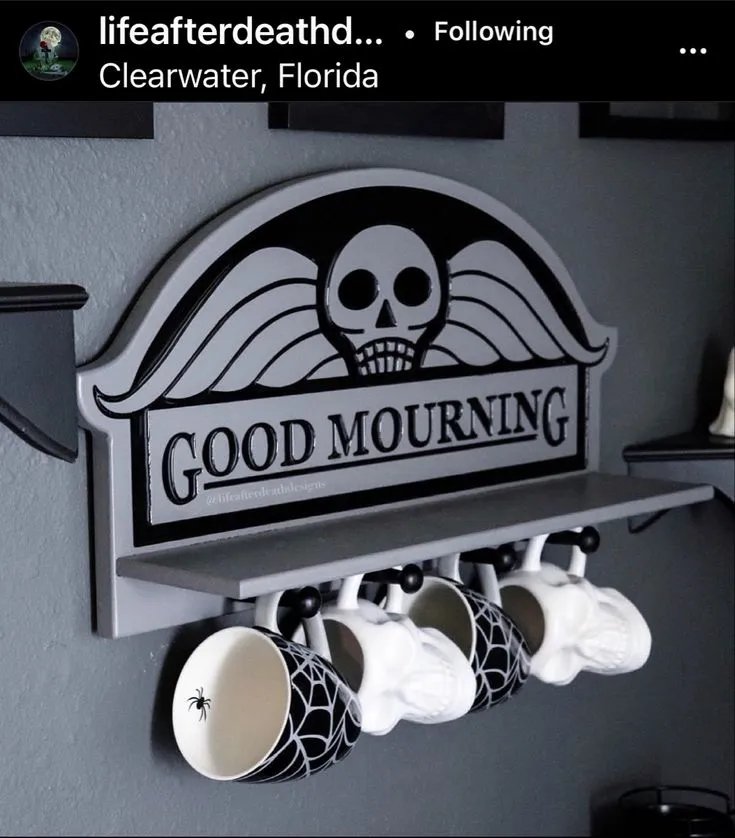
What is Gothic Kitchen Decor
Gothic kitchen decor embraces a style characterized by dramatic flair, dark color palettes, and an air of mystique. It draws inspiration from the Gothic architectural period, utilizing elements like pointed arches, ornate details, and a sense of grandeur. This style transforms the kitchen into a moody and captivating space, departing from the typically bright and airy designs. Unlike minimalist or contemporary kitchens, Gothic kitchens prioritize atmosphere, using textures, materials, and specific design choices to create a unique environment. The aim is to achieve an evocative space that combines functionality with a strong aesthetic statement.
Defining the Gothic Aesthetic
The Gothic aesthetic is rooted in medieval architecture and art, characterized by its imposing presence and intricate ornamentation. Gothic design emphasizes verticality, achieving a sense of height and spaciousness, even in smaller areas. This is often achieved through the use of tall windows, archways, and high ceilings, which in a kitchen setting can be reflected through the design of cabinets, lighting fixtures, or even wall decor. Moreover, the Gothic aesthetic emphasizes detail. It often incorporates elaborate patterns, carvings, and textures that add depth and character to the space. This includes elements like wrought iron, stone, and dark wood, which contributes to the aesthetic.
Key Elements of Gothic Design

To effectively implement Gothic kitchen decor, several key elements need consideration. Dark color palettes are at the forefront, utilizing deep shades such as blacks, deep reds, and purples, creating a dramatic contrast. These colors help establish the moodiness essential to the style. In addition, the textures and materials used are very important, incorporating elements such as dark wood cabinetry, stone countertops, and wrought iron hardware to give depth. Embellishments such as antique-style chandeliers or wrought iron pot racks and ornate mirrors add to the overall aesthetic. Moreover, the use of Gothic-inspired patterns and shapes such as pointed arches or elaborate carvings are essential in defining this style. These elements combined form the fundamental components of a Gothic kitchen design, creating an evocative and stylish space.
Dark Color Palettes
Dark color palettes are integral to Gothic kitchen decor, serving as the cornerstone of the atmosphere. Deep, rich tones such as charcoal, onyx, and midnight blue create a sense of mystery and depth. These dark hues act as a backdrop, allowing the other decorative elements to stand out. Consider painting your cabinets in a matte black or a deep shade of burgundy. Walls can be adorned with dark wallpaper featuring Gothic-inspired patterns or textures. The key is to use dark colors in strategic ways to avoid making the space feel small or confined. To keep the balance, you can introduce lighter accent colors like silver or gold through hardware, accessories, or art to introduce contrast and add vibrancy.
Texture and Materials
Texture and material choice plays a crucial role in defining the Gothic kitchen aesthetic. Using a variety of textures adds depth and visual interest to the space. Consider using textured wallpaper or exposed brick to create a sense of history and depth. Materials like dark wood, such as stained mahogany or walnut, are ideal for cabinetry and furniture, adding warmth and richness. Stone or faux-stone countertops offer a rugged, solid feel, while wrought iron hardware and lighting fixtures add to the dramatic appeal. The interplay of different textures – smooth surfaces contrasted with rough ones – helps to capture the essence of Gothic design. The combination of the textures can create a sense of opulence and create an elegant space.
Gothic Kitchen Decor Planning

Before diving into your Gothic kitchen project, proper planning is essential. Start by creating a design board that includes images of Gothic kitchens you admire. This helps to narrow down the elements and the overall aesthetic you want to achieve. Next, measure your kitchen space to determine the scale of your project. Consider the placement of cabinets, appliances, and other features. Create a detailed budget, including the cost of materials, labor, and decorative elements. This planning helps make the process organized and keeps the project on track, ensuring that your Gothic kitchen vision comes to life effectively.
Assessing Your Space
Assess your kitchen space thoroughly before starting your Gothic transformation. Consider the existing features, such as the size of the room, the layout, and any architectural details. Evaluate the natural light and how the Gothic elements will interact with the available light. For small kitchens, use lighter shades and strategic lighting to prevent the space from feeling too enclosed. In larger kitchens, you have more freedom to experiment with darker colors and bolder designs. Taking into account the layout helps you visualize how your chosen Gothic elements will fit within the space. By assessing these key aspects, you can personalize the design to suit the kitchen space and its structural capabilities.
Budgeting for Your Gothic Kitchen
Establishing a budget is an essential part of any renovation project, including a Gothic kitchen makeover. Start by listing all potential costs, including new cabinets, appliances, paint, hardware, lighting fixtures, and decorative accessories. Research the prices of these items to get a realistic estimate. Determine how much you are willing to spend on each element. Consider DIY options to save on costs, such as repainting existing cabinets or creating your own decorative elements. Make sure to include a contingency fund of about 10-15% of your budget for unexpected costs or adjustments. By preparing an organized budget, you can keep your project within your financial means and prevent unforeseen expenses.
Incorporating Gothic Decor

Incorporating Gothic decor involves a thoughtful approach to integrate key elements into your kitchen design. When choosing furniture, look for pieces with elaborate details and dark finishes, such as a dining table with carved legs or a set of chairs upholstered in dark velvet. Select decorative accessories like ornate mirrors, wrought iron candle holders, and antique-style clocks. Use these accents to enhance the Gothic atmosphere. Consider adding Gothic-inspired artwork, such as prints of castles or gothic cathedrals, and display them in prominent areas. Ensure all of these decorative elements work together to create a cohesive, thematic look. By implementing these elements, you can transform your kitchen into a Gothic-inspired space.
Choosing the Right Furniture
Furniture selection is essential for achieving the Gothic kitchen aesthetic. Opt for pieces with dark finishes, such as mahogany, walnut, or ebony. Consider a dining table with carved legs or an elegant sideboard. Look for chairs with upholstered velvet seats or backs. Antique or vintage pieces often work very well, adding character and a sense of history. Wrought iron furniture can also be a great option, especially for bar stools or kitchen islands. Consider the proportions of the furniture in relation to your space. Make sure the pieces are functional and practical for daily use. The choice of furniture can make or break your Gothic kitchen design, so pick pieces that align with the design scheme.
Selecting Decorative Accessories
Decorative accessories are essential for enhancing the Gothic theme in your kitchen. Use ornate mirrors with elaborate frames to reflect light and add visual interest. Display wrought iron candle holders or candelabras on countertops or tables to add ambiance. Antique clocks and other vintage items will add an element of history. Choose dishware and serving pieces with dark, moody designs, such as black stoneware or plates with gothic patterns. The accessories should complement the other decor elements. By carefully choosing accessories, you can create a space that is rich in atmosphere. Ensure the accessories have a unified feel that complements the style, creating a stunning Gothic kitchen.
Lighting Fixtures for Gothic Ambience

Lighting is a crucial element in creating the Gothic ambience. Choose lighting fixtures that enhance the dramatic feel of your kitchen. Consider chandeliers with intricate designs and dark finishes, such as wrought iron or bronze. Pendant lights with vintage-style bulbs can add a touch of mystique. Wall sconces with ornate details can provide ambient lighting. Consider incorporating dimmer switches to control the intensity of the light, allowing you to adjust the mood as needed. Layering different types of light – ambient, task, and accent – will help achieve the desired effect. The choice of lighting fixtures is essential in completing the Gothic kitchen design, creating a moody and enchanting space.
Creating a Gothic Atmosphere
Creating a true Gothic atmosphere involves more than just the visual elements. Consider incorporating elements that engage multiple senses. Use essential oils with scents like sandalwood or myrrh to evoke a sense of mystery. Play gothic-inspired music to add to the overall atmosphere. Arrange your kitchen tools and utensils in a way that complements the aesthetic, perhaps using a wrought iron pot rack. Use dark-colored linens and towels to complement the color palette. The aim is to immerse yourself in the Gothic feel, creating a captivating kitchen. The combination of visual, auditory, and olfactory elements helps elevate the mood.
Dealing with Lighting
Lighting is a very important factor to consider in your Gothic kitchen design. When designing your Gothic kitchen, lighting can be a major challenge. Gothic kitchens often feature dark colors, so it is necessary to use proper lighting to ensure the space does not appear too dark. You should consider a combination of ambient, task, and accent lighting to create a layered effect. Install chandeliers with intricate designs to set the mood, and use dimmer switches to adjust the lighting based on the time of day or activities. Consider adding task lighting under the cabinets and above the cooking areas to improve visibility. By considering lighting choices, you can create a Gothic kitchen that is both functional and visually appealing.
Adding Gothic Accents

Adding Gothic accents is key to defining the style of your kitchen. Enhance the space with specific decorative elements, like framed prints of gothic cathedrals or castles, or antique-style mirrors with elaborate frames. Use wrought iron hardware, such as cabinet pulls and door knobs. Display ornate candle holders or candelabras to provide atmospheric lighting. Consider adding Gothic-inspired patterns and shapes, such as pointed arches or elaborate carvings, to enhance the overall aesthetic. Remember to incorporate accents that create a cohesive and immersive gothic feel, blending functional elements and style seamlessly.
Maintaining Your Gothic Kitchen
Maintaining your Gothic kitchen is similar to maintaining any other style, but it requires special care to preserve its unique character. Clean dark surfaces with appropriate cleaning solutions to prevent streaking. Regularly dust and polish decorative elements, such as mirrors and chandeliers. Keep an eye on wood finishes and treat them with appropriate oils or protectants. If you have exposed brick or stone, periodically seal these surfaces to prevent damage from moisture. The aim is to maintain your Gothic kitchen’s charm. Careful cleaning and maintenance will keep your Gothic kitchen looking its best.