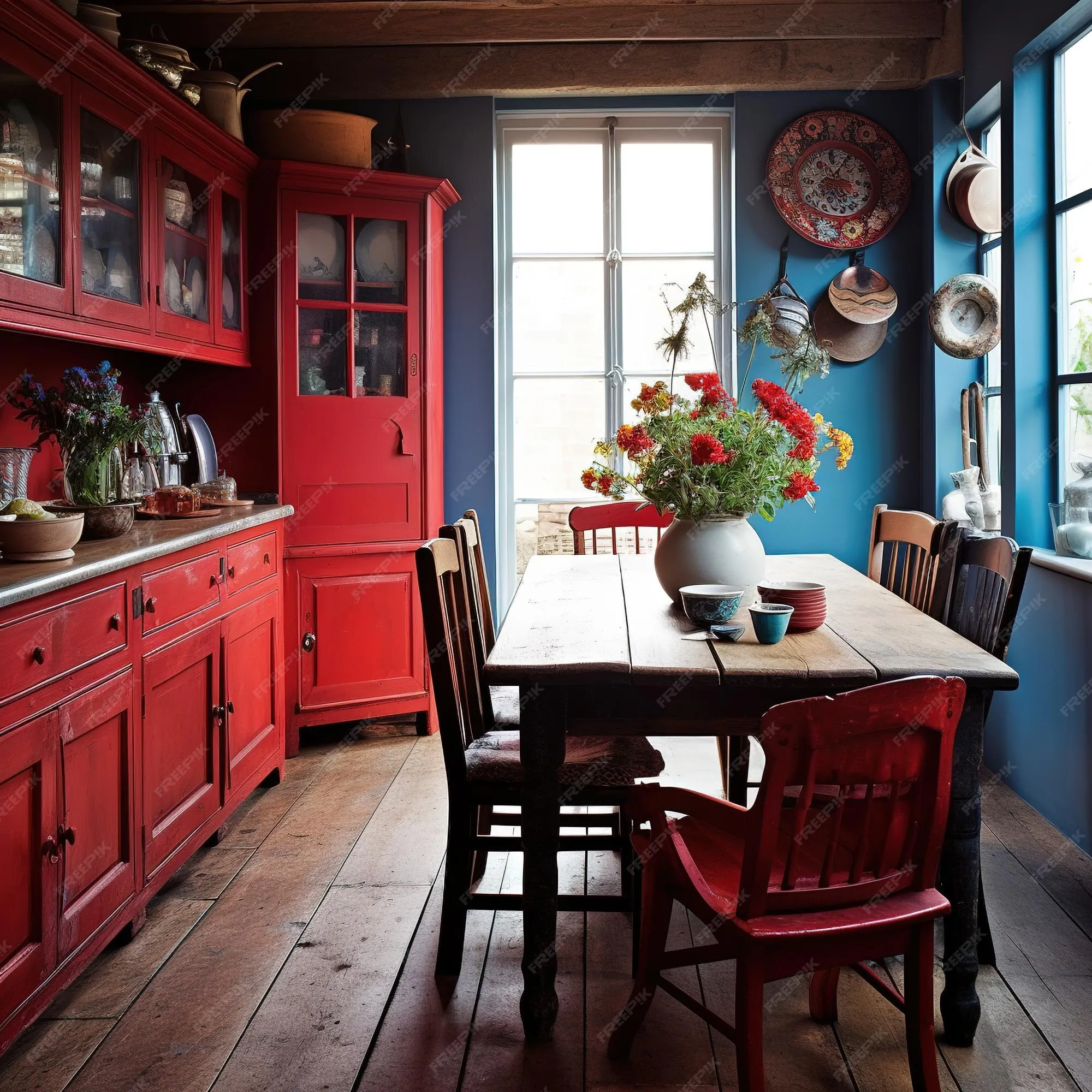
Understanding Gothic Kitchen Decor
Gothic kitchen decor, a captivating blend of history and drama, has been experiencing a resurgence in popularity. This style draws inspiration from the medieval period, characterized by its emphasis on dramatic architecture, rich textures, and an overall atmosphere of mystery and elegance. It’s a bold choice that diverges from the minimalist or farmhouse trends, offering a unique aesthetic that can transform your kitchen into a striking and inviting space. Understanding the essence of Gothic style is the first step in creating a kitchen that reflects this timeless aesthetic. The key is to embrace the dark, the ornate, and the mysterious, while ensuring the space remains functional and comfortable for everyday use. This introduction will help you understand the core elements to start decorating your kitchen.
Key Elements of Gothic Kitchens
Several key elements define the Gothic kitchen, setting it apart from other design styles. These elements, when thoughtfully combined, create a cohesive and captivating space. The use of dark, rich colors forms the foundation, providing a sense of depth and mystery. Architectural details, such as arched doorways, intricate moldings, and pointed arches, are frequently incorporated to evoke the grandeur of Gothic architecture. High ceilings can enhance the dramatic effect. Textures are also important, with materials like wood, stone, and wrought iron adding to the tactile experience. Overall, the key elements work together to create a kitchen that is both visually stunning and evocative of a specific historical period.
Dark Color Palettes

The cornerstone of Gothic kitchen design is the use of a dark and moody color palette. Deep hues such as black, charcoal gray, burgundy, and navy blue are frequently employed. These colors create a sense of depth and sophistication, setting the stage for the other elements of the design. While dark colors may seem daunting, they can be incredibly effective in creating a cozy and inviting atmosphere. In fact, they are a perfect canvas for metallic accents and intricate details, adding depth and contrast to the space. Consider painting your cabinets in a dark shade and balancing them with lighter countertops or backsplashes. The correct implementation of dark palettes can make a smaller kitchen feel more intimate and larger kitchens feel more dramatic.
Ornate Cabinetry and Details
Ornate cabinetry and intricate details are essential for achieving the Gothic aesthetic. Look for cabinets with detailed carvings, arched panels, or decorative hardware. The level of ornamentation will play a large role in how Gothic the kitchen will appear. If you want to go full Gothic, you can consider incorporating elements like pointed arches, which are a hallmark of Gothic architecture. The use of wrought iron hardware, such as handles and pulls, adds to the overall sense of drama. These elements are not just about the style; they also show craftsmanship and attention to detail. When planning your kitchen, remember that the goal is to find a balance between elegance and functionality, so every detail contributes to the visual story of your gothic kitchen.
Intricate Lighting Fixtures
Lighting plays a crucial role in setting the mood in a Gothic kitchen. Intricate lighting fixtures, such as chandeliers and pendant lights, are essential. Chandeliers, with their elaborate designs and often adorned with crystals or dark metal finishes, can serve as a focal point, drawing attention upwards and enhancing the sense of grandeur. Consider using sconces to illuminate specific areas of the kitchen, such as the countertops. The material of the light fixtures is also something to keep in mind; wrought iron, antique brass, or even dark stained wood can complement the dark color palette and add to the Gothic aesthetic. Also, include dimmer switches to control the intensity of the light, allowing you to adjust the ambiance as desired. A well-lit kitchen can make or break the Gothic style.
Adding Gothic Accessories and Accents

Accessories and accents are the finishing touches that bring a Gothic kitchen to life. These elements allow you to infuse your personality into the space. Consider incorporating Gothic-inspired accessories, such as candelabras, antique mirrors with ornate frames, and decorative statues. Displaying these items on open shelves or countertops will add to the overall aesthetic. Wrought iron details in items such as pot racks, towel holders, or even decorative wall art can reinforce the theme. When selecting accessories, focus on items with intricate details, such as carvings or metallic finishes. The right accessories can enhance the drama and richness of the design, creating a truly immersive Gothic experience.
Incorporating Gothic Textiles
Textiles can add warmth and texture to a Gothic kitchen. Incorporate fabrics with rich colors and patterns, such as velvet, damask, or brocade. These fabrics add a sense of luxury and depth. Curtains and tablecloths can be used to soften the space and add an element of visual interest. Choosing the right fabrics and patterns is crucial in creating a cohesive and sophisticated look. Consider using dark, patterned curtains or tablecloths to complement the cabinetry and other elements of the kitchen. The textiles are a great way to bring in your personality into the kitchen, adding depth to the kitchen without overdoing the decor.
Top 5 Gothic Kitchen Decor Styles
Victorian Gothic Kitchens

Victorian Gothic kitchens combine the elegance of the Victorian era with the dramatic flair of Gothic design. Expect to see ornate cabinetry, intricate details, and a rich color palette. Dark wood cabinets, often with elaborate carvings, are a key feature. This style emphasizes luxury, incorporating elements like marble countertops, crystal chandeliers, and antique accessories. It embodies sophistication and grand style.
Medieval Gothic Kitchens
Medieval Gothic kitchens draw inspiration from the medieval period, focusing on simplicity and functionality. Expect robust, dark wood cabinetry, stone or brick accents, and wrought iron details. The color palette consists of earthy tones and natural materials. This style emphasizes the raw, unrefined beauty of medieval design, creating a space that feels both strong and rustic.
Modern Gothic Kitchens
Modern Gothic kitchens blend Gothic elements with contemporary design principles. They incorporate dark color palettes, dramatic lighting, and ornate details, but with clean lines and a minimalist approach. This style is perfect for those who appreciate Gothic aesthetics but want a more contemporary feel. The outcome is a sleek, sophisticated space that showcases the best of both worlds.
Romantic Gothic Kitchens

Romantic Gothic kitchens create a warm, inviting atmosphere, with a focus on softer elements and delicate details. Expect to see lighter shades in the color palette, such as deep burgundy, mixed with antique accessories and floral patterns. This style appeals to those who appreciate the beauty and elegance of Gothic design, while adding a touch of romanticism and comfort.
Eclectic Gothic Kitchens
Eclectic Gothic kitchens combine Gothic elements with other design styles, creating a personalized and unique space. It allows for a wide range of creativity, mixing gothic details with other styles. This style is perfect for those who want to express their individuality and create a kitchen that reflects their unique tastes. The result is a space that is both visually stunning and highly functional.