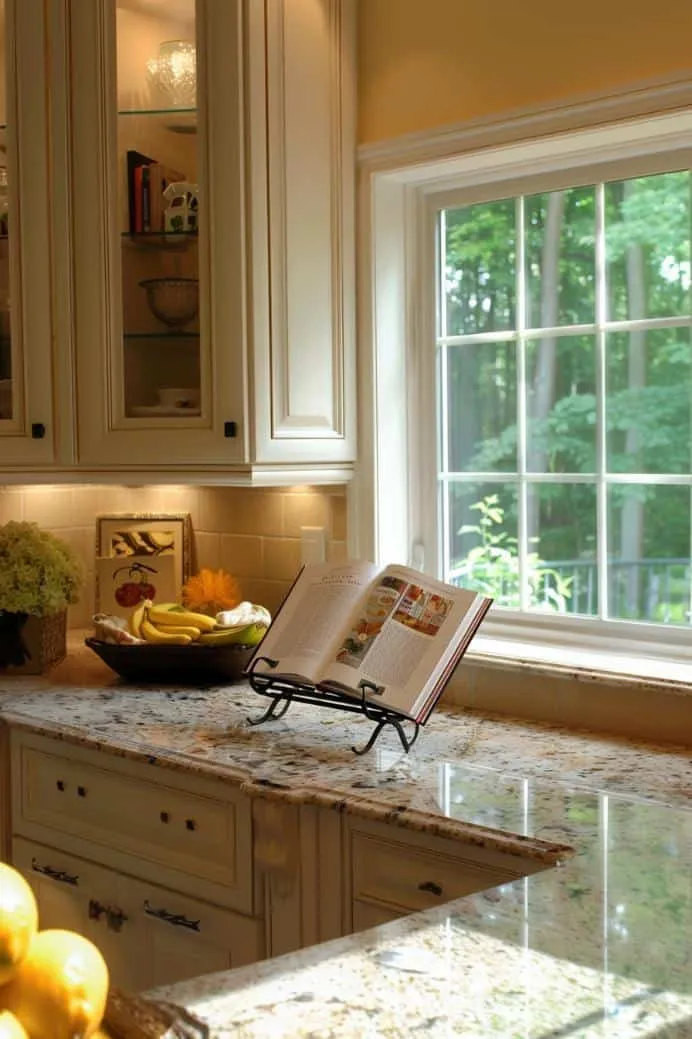
Revamping Your Kitchen The Ultimate Decor Guide
Your kitchen is more than just a place to cook; it’s the heart of your home, a gathering spot, and a reflection of your personal style. Transforming this space with fresh kitchen decor ideas can significantly enhance its appeal and functionality. Whether you’re planning a complete renovation or a simple refresh, understanding the essential elements of kitchen design will help you create a space you’ll love. This guide provides practical kitchen decor ideas and inspiration to help you elevate your space and make it a true highlight of your home. From selecting the perfect color palette to maximizing storage and choosing the right lighting, discover how to create a kitchen that is both beautiful and functional. Consider the mood you want to create, the available space, and your lifestyle to start planning your perfect kitchen.
Planning Your Kitchen Makeover
Before diving into the exciting world of kitchen decor, careful planning is essential for a successful makeover. This initial phase sets the foundation for a well-designed kitchen that meets your needs and reflects your style. Consider the current state of your kitchen and what you hope to achieve with the renovation. Will you be changing the layout, or will you be working with the existing structure? Are you aiming to increase functionality, improve aesthetics, or both? Taking time to plan will help avoid costly mistakes and ensure that the final result aligns with your vision. Gather inspiration from magazines, online resources, and showrooms to help you refine your ideas and develop a clear plan for your kitchen makeover. This includes a detailed budget, a timeline for the project, and a list of desired features and amenities. Proper planning will save time, reduce stress, and help make the entire process enjoyable.
Defining Your Style

Identify your preferred design aesthetic to guide your decor choices. Do you lean towards modern minimalism, rustic charm, or classic elegance? Understanding your style preferences will help you make cohesive decisions about color palettes, materials, and decorative elements. Look at different kitchen styles, such as contemporary, farmhouse, coastal, or industrial, to find inspiration. Consider the existing architecture of your home and how the kitchen decor can complement the overall design. Create a mood board with images, textures, and colors that resonate with your taste. This visual representation will serve as a reference throughout the design process, ensuring a consistent and stylish look. Define your kitchen’s purpose; will it be for family gatherings or casual meals, or a workspace? These insights will influence your choice of style.
Assessing Your Space and Needs
Evaluate your current kitchen’s layout, size, and storage capacity to understand its potential and limitations. Measure the space carefully to ensure that new appliances and furniture will fit properly. Identify any structural issues or areas that need improvement. Consider your daily routines and how you use your kitchen. Do you need more counter space, better storage solutions, or improved lighting? List your must-haves and nice-to-haves to prioritize your needs. This assessment will help you make informed decisions about the renovation and ensure that the final design is both functional and efficient. Analyze your kitchen’s workflow; think about how you move around the space while cooking. This will help you determine the optimal placement of appliances, countertops, and storage to create a functional and ergonomic kitchen. Think about traffic patterns to ensure they do not impede cooking activities.
Choosing the Right Color Palette
The color palette is a cornerstone of kitchen decor, setting the tone and mood of the space. Selecting the right colors can transform a kitchen from drab to fab, and a well-chosen palette can enhance the perception of space, light, and style. Consider the size of your kitchen, the amount of natural light it receives, and your personal preferences when choosing colors. Lighter colors like whites, creams, and pastels can make a small kitchen feel larger and brighter, while bolder colors can add personality and drama. Experiment with different color combinations using online tools or paint samples to find the perfect match. Consider the overall flow of your home and how the kitchen colors will blend with adjacent spaces. A cohesive color scheme throughout your home creates a sense of unity and harmony. Choosing a consistent theme is important.
Understanding Color Psychology

Colors evoke different emotions and can significantly impact the ambiance of your kitchen. Understanding the psychological effects of colors can help you create a space that feels inviting and comfortable. For example, blue can create a sense of calm and tranquility, while green promotes a feeling of freshness and health. Red can stimulate appetite and energy, making it ideal for a dining area. Yellow is associated with happiness and optimism, while white can make a space feel clean and spacious. Consider the purpose of your kitchen and the mood you want to create when choosing colors. A well-considered color scheme can improve the overall atmosphere of your kitchen, affecting your mood and the functionality of your workspace. Research different colors to help you find a perfect match.
Popular Color Schemes for Kitchens
Explore popular color schemes to gain inspiration and guidance. Classic combinations like white and gray, navy and gold, or black and wood tones offer timeless elegance and sophistication. Earthy tones like beige, olive green, and terracotta can create a warm and inviting atmosphere. Consider the latest trends, but prioritize a palette that aligns with your personal style and the overall design of your home. Neutral palettes with pops of color through accessories are a safe bet, allowing you to easily update your decor. Do not be afraid to incorporate bolder hues; just ensure they work well with the rest of the space. Many resources offer guidance, from design magazines to websites. These resources will help you pick what colors you like, and provide inspiration for your kitchen.
Maximizing Functionality and Storage
A functional kitchen is a well-organized kitchen. Optimizing the space and storage solutions can improve the efficiency and usability of your kitchen. This includes smart storage options, clever organization techniques, and the efficient use of available space. Adequate storage is essential for keeping countertops clutter-free and making it easier to find what you need. Incorporating these kitchen decor ideas helps create a space that works for you, making cooking and meal preparation more enjoyable. Consider the layout of your kitchen, the placement of appliances, and the traffic flow to determine the best storage solutions. By carefully planning your storage needs, you can transform your kitchen into an organized and efficient workspace.
Optimizing Countertop Space

Countertops are essential for food preparation and storage. Maximize countertop space by using multifunctional appliances, such as a toaster oven that also bakes and broils. Consider the layout of your kitchen; if you have a small space, consider an island or peninsula to extend your countertop area. Keep countertops clear of unnecessary items, such as appliances that are rarely used. Organize essential tools and gadgets in drawers or on shelves. Use vertical storage to make the most of available space. This will help to keep your countertops clear and functional. Consider extending your countertops to create a breakfast bar or workspace; this will expand its usability. Choosing the right materials can also help enhance your kitchen.
Smart Storage Solutions
Implement smart storage solutions to keep your kitchen organized and efficient. Install pull-out shelves in lower cabinets for easy access to pots, pans, and other cookware. Use drawer dividers to organize utensils, spices, and other kitchen essentials. Install a pantry with adjustable shelves and a built-in system for storing dry goods. Utilize wall-mounted shelves or open shelving to display frequently used items and add a decorative touch. Incorporate under-cabinet lighting to illuminate countertops and make it easier to find items. Use vertical space by installing racks for pots, pans, and lids. Consider creating a command center with a bulletin board, calendar, and storage for mail and keys to keep your kitchen organized. These storage solutions will help maximize space and make your kitchen function seamlessly.
The Art of Kitchen Lighting
Lighting plays a crucial role in kitchen design, enhancing both the functionality and aesthetics of the space. A well-lit kitchen is essential for cooking, preparing meals, and creating a welcoming atmosphere. Consider the different types of lighting, including ambient, task, and accent lighting, to create a layered effect that meets your needs. Proper lighting can transform your kitchen, making it more enjoyable and efficient. From overhead fixtures to under-cabinet lights, the right combination of lighting can make a big difference. Consider your kitchen’s layout, size, and style to select lighting that enhances its beauty and functionality. Think about energy-efficient lighting options, such as LEDs, to reduce energy costs and improve the lifespan of your light fixtures.
Layering Lighting for Ambiance

Layering lighting involves combining different types of lighting to create a balanced and functional illumination scheme. Ambient lighting, such as recessed lights or a central pendant, provides general illumination for the entire kitchen. Task lighting, such as under-cabinet lights and pendant lights over a kitchen island, focuses light on specific areas for cooking and food preparation. Accent lighting, such as spotlights or track lighting, can highlight architectural features or decorative elements, adding visual interest. A well-layered lighting scheme will provide the right amount of light for all activities, enhancing the overall ambiance of your kitchen. Consider dimmers on your lights to give you flexibility with different lighting needs. Using dimmers will also help you save energy.
Choosing the Right Light Fixtures
Select light fixtures that complement your kitchen’s style and meet your lighting needs. Consider the size and scale of the fixtures to ensure they are appropriate for the space. Choose energy-efficient options, such as LED lights, to save energy and reduce operating costs. Pendant lights are a great choice for over the kitchen island or dining area, while recessed lighting can provide general illumination without taking up visual space. Under-cabinet lighting can illuminate countertops, and sconces add a decorative touch to your kitchen design. Consider the color temperature of the light bulbs to create the desired atmosphere. Warm light creates a cozy feel, while cool light provides a bright, modern appearance. Choosing the right fixtures will elevate the design of your kitchen.
Adding Decorative Elements
Decorative elements are the final touches that add personality and style to your kitchen. Incorporating accessories, artwork, and textiles can create a cohesive and inviting space that reflects your tastes. These elements can add warmth, texture, and visual interest, transforming your kitchen from a functional space to a stylish and welcoming one. Consider the overall design, color palette, and style of your kitchen to select decorative elements that enhance its beauty and appeal. From accent pieces to functional decorations, these additions will transform your kitchen.
Accessorizing with Textiles

Textiles can add softness, texture, and color to your kitchen. Incorporate textiles such as curtains, dish towels, and table linens to personalize your space and create a cohesive design. Choose fabrics that complement your color scheme and design style. Curtains can add privacy and control the amount of natural light. Dish towels and pot holders can add a pop of color and visual interest. Table linens, such as tablecloths and placemats, can add a touch of elegance to your dining area. Consider the material and durability of the textiles, especially in a high-traffic area like the kitchen. Incorporating patterns and textures will help define the space. These elements provide a welcoming touch.
Incorporating Artwork and Greenery
Artwork and greenery are excellent additions to your kitchen decor. Artwork can add personality, color, and visual interest to your space. Choose pieces that reflect your style and complement your kitchen’s design. Greenery, such as plants and herbs, can bring life and freshness to your kitchen. Place potted plants on countertops, windowsills, or shelves. Hang a herb garden for easy access to fresh ingredients. Consider the amount of natural light your kitchen receives when choosing plants. Artwork and greenery will make your kitchen more inviting and create a welcoming atmosphere. These elements can help personalize and beautify your space.
Conclusion
Transforming your kitchen involves careful planning, thoughtful design choices, and a willingness to experiment. By implementing these kitchen decor ideas, you can create a beautiful and functional space that meets your needs and reflects your personal style. From the initial planning stages to the final decorative touches, every element plays a crucial role in the overall design. Remember to prioritize functionality, optimize storage, and choose a color palette that suits your preferences. Embrace your creativity and enjoy the process of revamping your kitchen. With the right approach, you can transform your kitchen into the heart of your home, where you can cook, gather, and create lasting memories. The result will be a beautiful and functional space that you will enjoy for years to come.