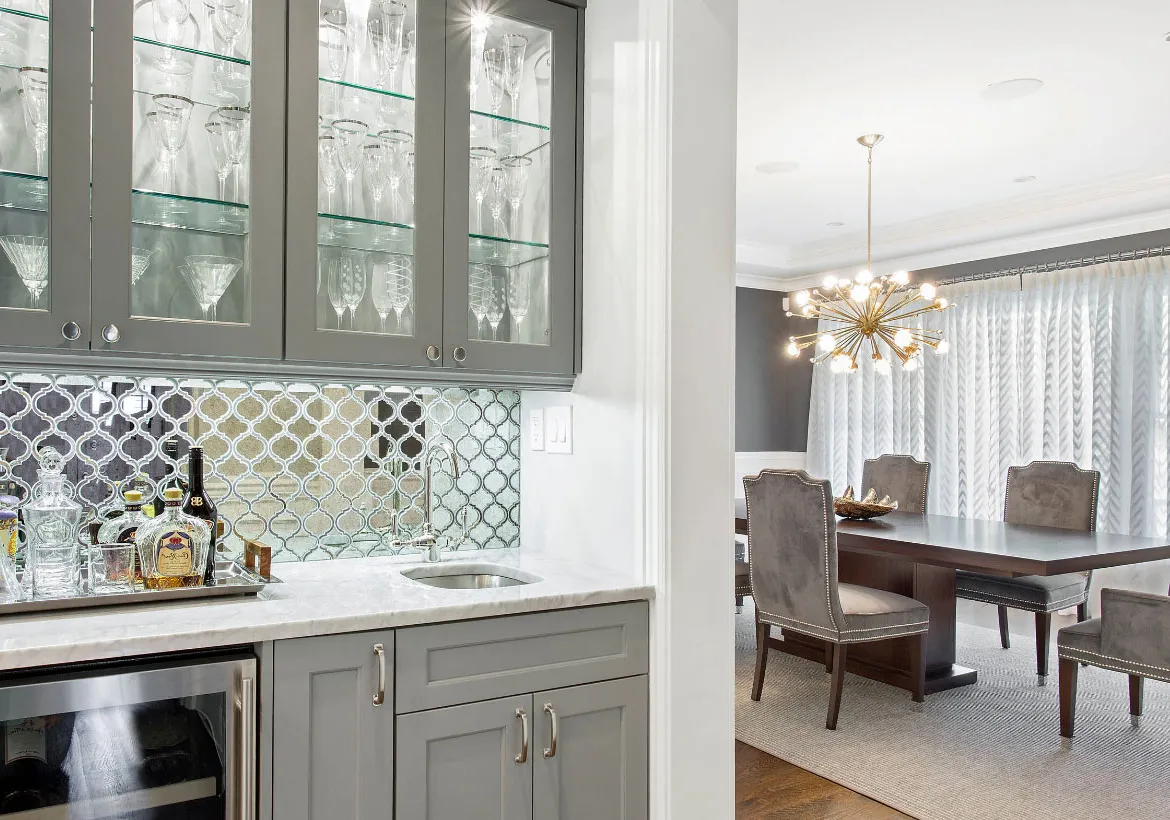
Choosing Kitchen Mirrors The Basics
Choosing the right mirrors for your kitchen can dramatically transform the space, enhancing both its functionality and aesthetic appeal. Beyond simply reflecting light, mirrors can create the illusion of more space, add a touch of elegance, and even become a focal point of your kitchen decor. Understanding the fundamentals of mirror selection is the first step toward achieving your desired look. Consider the overall style of your kitchen, the available space, and the specific purpose you want the mirror to serve. Do you want to brighten a dark area, make a small kitchen feel larger, or simply add a decorative element? These considerations will guide your choices in terms of size, shape, style, and placement. A well-chosen kitchen mirror complements the existing design elements, such as cabinetry, countertops, and appliances, creating a cohesive and inviting atmosphere.
Mirror Shapes and Sizes
The shape and size of your kitchen mirror play a crucial role in its overall impact. Different shapes offer distinct advantages. Round mirrors soften the lines of a kitchen, adding a touch of elegance and visual interest. Rectangular mirrors, on the other hand, can visually elongate a space and are often preferred for their practicality. The size of the mirror should be proportional to the available wall space and the surrounding elements. A mirror that is too small may get lost, while one that is too large can overwhelm the room. Consider the height of your ceilings and the size of your countertops when making your selection. The right combination of shape and size will not only enhance the aesthetic appeal of your kitchen but also its functionality.
Round Mirrors

Round mirrors are a stylish choice, especially in kitchens with a modern or transitional design. Their curved lines provide a contrast to the often-angular elements of kitchen design, such as cabinets and appliances. They also add a touch of softness and visual interest to the space. Round mirrors are particularly effective above a kitchen sink or breakfast nook, where they can serve as a focal point and reflect light, making the area feel brighter and more open. The size of a round mirror should be carefully considered; it should be large enough to make a statement but not so large that it overwhelms the space. Consider the diameter and how it will relate to the surrounding elements. Make sure to measure the space before selecting a round mirror for your kitchen.
Rectangular Mirrors
Rectangular mirrors are a classic choice for kitchens, offering a clean and versatile look. Their shape is often preferred for their practicality, especially above countertops or backsplashes. A rectangular mirror can visually elongate a wall and create the illusion of more space, making it a great choice for smaller kitchens. They work well in a variety of design styles, from traditional to contemporary. When choosing a rectangular mirror, consider its proportions and how they relate to the other elements in the kitchen. A long, narrow mirror can make a small space feel more expansive, while a wider one can serve as a functional and decorative element above a sink or countertop. Rectangular mirrors are a flexible option for any kitchen.
Unusual Mirror Shapes
For those looking to add a unique touch to their kitchen, unusual mirror shapes can make a bold statement. Options include oval, arched, or irregularly shaped mirrors. These mirrors can serve as artistic elements, adding personality and flair to the space. They work well in kitchens with a more eclectic or modern design, where they can act as a focal point and create visual interest. When selecting an unusual-shaped mirror, consider the overall style of your kitchen and how the mirror will complement the existing elements. The placement is critical, ensuring that the mirror does not clash with other design features. It’s also important to think about functionality; make sure the shape doesn’t impede your ability to use the space or reflect distracting elements.
Mirror Placement and Positioning

The placement of your kitchen mirror is essential for maximizing its impact. Strategic positioning can enhance the functionality and aesthetic appeal of your kitchen. Consider the areas where you want to reflect light, create the illusion of space, or add a decorative touch. Proper placement ensures that the mirror serves its intended purpose effectively. Think about the sightlines within your kitchen and how the mirror will interact with these. Proper placement will contribute to the overall harmony and functionality of your kitchen space. The correct placement can significantly enhance the beauty and usability of your kitchen.
Above the Sink
Placing a mirror above the kitchen sink is a common and practical choice. It allows you to see yourself while performing daily tasks such as washing dishes or preparing food. This placement also provides a visual expansion of the space, especially in smaller kitchens, making the area feel brighter and more open. The mirror can reflect natural light coming from a nearby window, further enhancing the brightness. Consider the size and shape of the mirror in relation to the sink and the surrounding cabinetry. A well-placed mirror above the sink is both functional and aesthetically pleasing, offering a convenient spot for quick glances while adding to the overall design.
On a Wall
Mirrors on walls, beyond the sink area, provide an opportunity to add a decorative element to your kitchen. They can serve as focal points, reflecting light and enhancing the sense of space. Consider the overall style of your kitchen and choose a mirror that complements the existing design elements. You can position a mirror on a wall opposite a window to maximize natural light, or use it to reflect an interesting view. Ensure the mirror is securely mounted and at a height that is visually appealing and functional. In smaller kitchens, a large mirror can make the space feel larger and airier. The proper placement of a mirror on a wall will bring a whole new perspective to your kitchen.
Mirror Styles and Frame Choices

Mirror styles and frame choices significantly impact the overall aesthetic of your kitchen. The right style and frame can complement your kitchen’s design, add personality, and enhance its visual appeal. From sleek and modern frameless mirrors to ornate, framed options, the choices are vast. Carefully consider the style of your kitchen when selecting a mirror. A contemporary kitchen might benefit from a minimalist frameless mirror, while a traditional kitchen might suit a framed mirror with intricate details. Frame choices include metal, wood, and other materials, each offering a unique look and feel. A well-chosen mirror style and frame will integrate perfectly with your kitchen’s design and elevate the space.
Framed Mirrors
Framed mirrors offer a wide range of design possibilities, allowing you to incorporate various styles and materials into your kitchen decor. The frame acts as a decorative element, enhancing the mirror’s aesthetic appeal. Frame materials range from wood and metal to more unique options like bamboo or mosaic tiles. The style of the frame should complement the overall design of your kitchen. For instance, a rustic kitchen might benefit from a wooden frame, while a modern kitchen might suit a sleek metal frame. The color and finish of the frame are also important; they should harmonize with the other elements in your kitchen. Framed mirrors add visual interest and can be a great way to add a pop of color or texture to your kitchen.
Frameless Mirrors
Frameless mirrors offer a sleek and minimalist look, perfect for modern and contemporary kitchens. Their clean lines create a sense of spaciousness and simplicity. Frameless mirrors seamlessly blend into the design, reflecting light and expanding the visual space. They are easy to clean and maintain, making them a practical choice for a busy kitchen. Consider the shape and size of the mirror and how it will complement the existing elements. A frameless mirror is a versatile option that can enhance the overall aesthetic of your kitchen without adding visual clutter. The simplicity of a frameless mirror will bring a modern look to your kitchen.
Mirror Materials and Durability
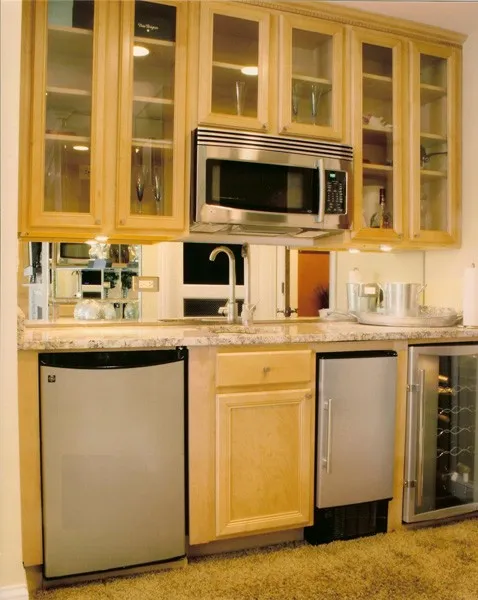
The material and durability of your kitchen mirror are important considerations for ensuring longevity and functionality. The quality of the glass and the materials used in the frame (if any) will determine how well the mirror holds up to the rigors of a kitchen environment. Kitchens are exposed to moisture, temperature fluctuations, and potential splatters, so choosing durable materials is essential. High-quality materials will also affect the clarity and reflection of the mirror. A well-chosen mirror made of durable materials will remain in excellent condition, maintaining its visual appeal for years to come.
Glass Quality
The quality of the glass is a crucial factor in determining the overall performance and appearance of your kitchen mirror. High-quality glass provides a clear, undistorted reflection, enhancing the visual appeal of the space. Look for mirrors made of distortion-free glass to ensure a true and accurate reflection. The thickness of the glass also plays a role in its durability. Thicker glass is less prone to breakage and is more resistant to the wear and tear of a kitchen environment. Check for features like a silver backing, which helps protect the mirror from moisture and corrosion. The quality of the glass will ensure that your mirror remains in excellent condition, providing a clear and beautiful reflection.
Maintenance and Cleaning
Proper maintenance and cleaning are essential for keeping your kitchen mirror in top condition. Regular cleaning removes dust, fingerprints, and other debris, maintaining its clarity and brightness. Use a mild glass cleaner and a soft cloth or microfiber towel to avoid scratching the surface. Avoid using abrasive cleaners or harsh chemicals, as they can damage the mirror’s finish. Wipe the mirror gently, using circular motions, to remove smudges and streaks. For framed mirrors, pay attention to the frame material when cleaning, as different materials require different cleaning methods. Routine maintenance will help to prolong the life of your kitchen mirror and keep it looking its best for years to come. Properly cleaning and maintaining the mirror will enhance the look of your kitchen.
Adding Light and Space with Mirrors

Mirrors are powerful tools for enhancing the light and spaciousness of any kitchen. Strategic placement can significantly transform the feel of the space, making it appear brighter and more open. By reflecting natural and artificial light, mirrors can illuminate dark corners and amplify existing light sources. They also create the illusion of more space, especially in smaller kitchens, making the area feel less cramped and more inviting. The combination of light and space creates a welcoming atmosphere. Mirrors can make a significant impact on the functionality and aesthetic appeal of your kitchen.
Maximizing Natural Light
To maximize natural light in your kitchen, strategically place mirrors to reflect sunlight. Position a mirror opposite a window or another source of natural light to capture and redirect the light throughout the room. This will brighten the space and make it feel more open. Consider the angle of the mirror to ensure it reflects the light effectively. This technique is particularly useful in kitchens with limited natural light, such as those that are north-facing or have small windows. A well-placed mirror can dramatically improve the brightness and overall ambiance of your kitchen. Make the most of natural light with this simple trick.
Using Mirrors to Reflect Artificial Light
Mirrors can effectively amplify artificial light sources, such as pendant lights, recessed lighting, or under-cabinet lighting. Position a mirror to reflect the light from these sources to enhance the overall illumination of your kitchen. This is particularly beneficial in areas where task lighting is needed, such as above the sink or countertops. The reflected light can create a brighter, more inviting atmosphere and can also enhance the visual appeal of the space. When using mirrors to reflect artificial light, consider the direction and intensity of the light sources to ensure a balanced and effective lighting scheme. Use artificial light to create a perfect ambiance.
Small Kitchen Design Considerations

In small kitchens, mirrors are invaluable tools for maximizing space and light. A strategically placed mirror can create the illusion of more square footage, making the kitchen feel less cramped. Consider using a large mirror on a wall to visually expand the space. Mirrors can also reflect light, brightening the room and making it feel more open. Frameless mirrors are often a good choice for small kitchens, as they blend seamlessly into the design, avoiding visual clutter. When selecting a mirror for a small kitchen, consider the size, shape, and placement in relation to the other elements in the room. In small kitchens, mirrors can make a huge impact on the look and feel.
Budgeting for Kitchen Mirrors
Budgeting for kitchen mirrors involves considering a range of factors, from the type of mirror to the installation costs. The price of a mirror can vary significantly depending on its size, shape, frame material, and any custom features. Establish a budget early in the planning process to guide your choices. Research different mirror options and compare prices from various retailers. Explore DIY installation options if you’re comfortable with the task, as this can save on labor costs. Look for sales and discounts. A well-planned budget will help you select the perfect mirror without exceeding your financial constraints.
Price Ranges and Value
Mirror prices vary depending on several factors. The size, shape, and frame material all influence the cost. Frameless mirrors are often more affordable than framed options, while custom-designed mirrors can be pricier. Consider the quality of the materials and the craftsmanship when evaluating the value of a mirror. High-quality mirrors may have a higher upfront cost but can provide better clarity, durability, and longevity. Set a budget and research different options to find a mirror that offers the best value for your needs. A good deal isn’t always the cheapest price, but the best value for your money. When shopping, consider the long-term investment in terms of quality and appearance.
DIY vs Professional Installation
Deciding between DIY installation and professional installation depends on your skills, experience, and the complexity of the project. Installing a simple, small mirror can be a straightforward DIY task, saving on labor costs. However, for larger or more complex installations, professional installation is often recommended. Professionals have the tools, expertise, and experience to ensure the mirror is securely mounted and properly aligned. They can also handle any unexpected issues that may arise during installation. Consider the time and effort involved in DIY installation versus the cost of professional installation. Weigh the pros and cons of each option, considering safety, accuracy, and the overall outcome. Your comfort level with the installation process will also guide your decision. Choosing the right method will help you finish the process correctly.