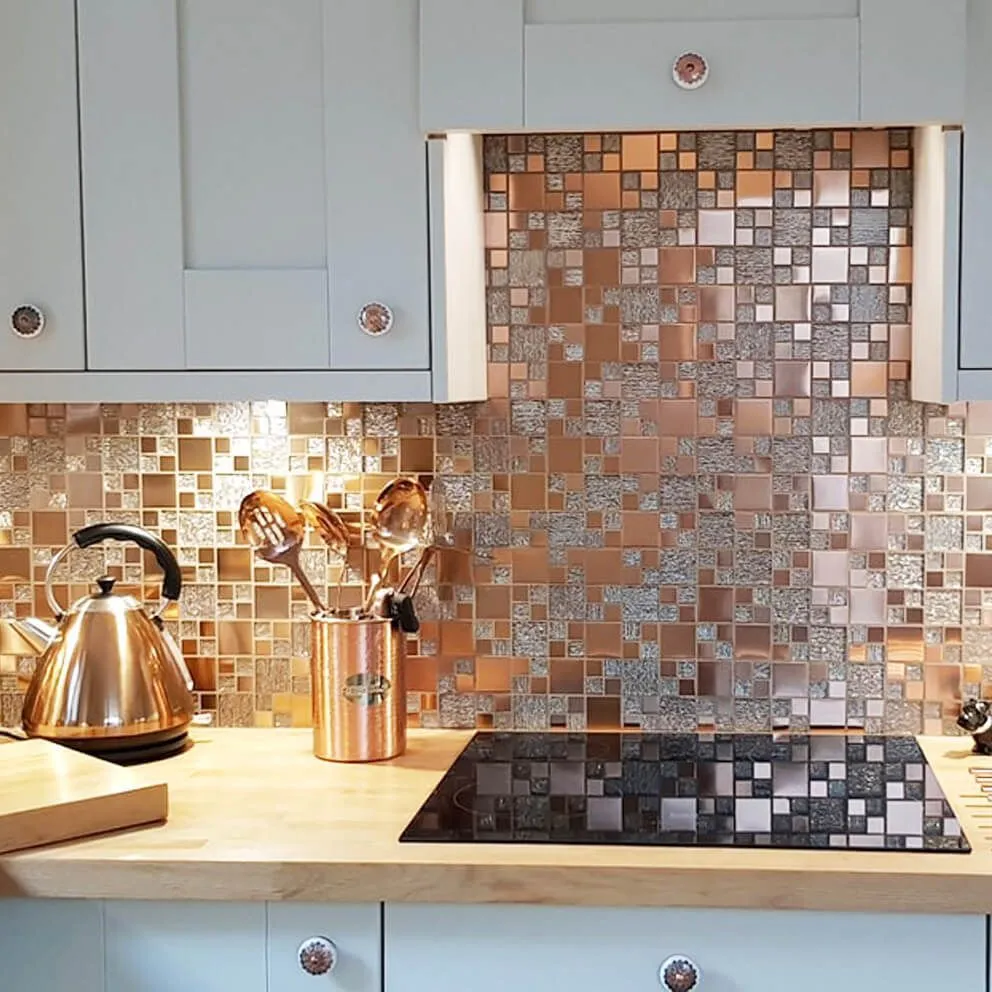
Understanding Kitchen Wall Tiles
Kitchen wall tiles are more than just a decorative element; they play a crucial role in protecting your walls from moisture, grease, and other kitchen-related hazards. Choosing the right tiles can significantly impact the overall look and functionality of your kitchen space. With a vast array of materials, styles, and designs available, selecting the perfect tiles can be a daunting task. This guide will walk you through the key considerations to help you make an informed decision, ensuring your kitchen wall tiles not only look stunning but also provide lasting performance and ease of maintenance. Proper tile selection can dramatically enhance the aesthetic appeal and practicality of your kitchen, turning it into a stylish and functional space.
Types of Kitchen Wall Tiles
The variety of kitchen wall tiles available on the market is extensive, each offering unique properties and aesthetics. Understanding the characteristics of different tile types is essential for making the right choice for your kitchen. From the classic appeal of ceramic to the luxurious look of stone, each material brings its own set of benefits and considerations. The following are some of the most common types, each with specific strengths and weaknesses that should be evaluated based on your kitchen’s needs and your personal style preferences. This knowledge will empower you to choose tiles that perfectly match your functional requirements and aesthetic goals.
Ceramic Tiles

Ceramic tiles are a popular choice for kitchen walls due to their affordability and versatility. They are made from clay that is fired at high temperatures, resulting in a durable and water-resistant surface. Ceramic tiles come in a wide range of colors, patterns, and sizes, making them suitable for various kitchen styles. While generally easy to clean, they may be less durable than other options and can be prone to chipping. Consider ceramic tiles if you’re looking for a budget-friendly option with extensive design choices. They are ideal for those who want to refresh their kitchen’s look without a significant investment, providing an attractive and practical solution for everyday use. Choosing ceramic allows for a wide range of design expression.
Porcelain Tiles
Porcelain tiles are a step up from ceramic in terms of durability and water resistance. They are made from denser clay and fired at higher temperatures, resulting in a harder, less porous tile. This makes porcelain tiles an excellent choice for areas prone to moisture, such as backsplashes and areas near sinks and cooktops. Porcelain tiles are available in a variety of styles, including those that mimic the look of natural stone or wood. While they may be more expensive than ceramic, their longevity and resistance to wear make them a worthwhile investment. Their superior water resistance minimizes the risk of water damage, making porcelain tiles a practical and stylish choice for high-moisture kitchen environments.
Glass Tiles
Glass tiles add a touch of elegance and sophistication to any kitchen. They reflect light, creating a brighter and more spacious feel. Glass tiles are available in various colors, shapes, and finishes, allowing for unique and creative designs. They are also resistant to stains and easy to clean, making them a practical choice for kitchen walls. However, glass tiles can be more expensive and may require professional installation. Their reflective quality can transform a kitchen, making it a visually appealing and inviting space. The installation process is critical to ensure the beauty and longevity of glass tiles in your kitchen.
Stone Tiles

Stone tiles, such as granite, marble, and travertine, offer a luxurious and natural look to kitchen walls. Each tile is unique, with natural variations in color and veining, adding a touch of elegance. Stone tiles are highly durable and can withstand the demands of a busy kitchen. However, they are more expensive than other tile types and require regular sealing to protect against stains and water damage. The timeless appeal of stone tiles elevates any kitchen design, offering a blend of natural beauty and long-lasting performance. Proper maintenance is essential to preserve their beauty and functionality over time.
Factors to Consider When Choosing Kitchen Wall Tiles
Selecting the right kitchen wall tiles involves considering several factors that influence both their appearance and functionality. From durability and water resistance to design preferences and budget constraints, each aspect plays a crucial role in making the best choice for your kitchen. Careful consideration of these elements will ensure that your chosen tiles not only look great but also meet the practical demands of a kitchen environment. Prioritizing these factors helps to create a harmonious balance between aesthetics, durability, and cost-effectiveness.
Durability and Maintenance
Durability is a key consideration when choosing kitchen wall tiles. The tiles should be able to withstand the daily wear and tear of a busy kitchen, including impacts, scratches, and temperature changes. Consider the tile’s hardness rating, which indicates its resistance to scratches. Also, assess the ease of maintenance, as kitchen walls are prone to spills and splatters. Easy-to-clean tiles will save you time and effort in the long run. Choosing tiles that are both durable and easy to maintain ensures they will remain in good condition for years to come. Regular cleaning and appropriate maintenance are vital to preserve their appearance and functionality.
Water Resistance

Kitchens are exposed to moisture from cooking, washing dishes, and spills. Therefore, water resistance is a critical factor when selecting wall tiles. Choose tiles with low water absorption rates to prevent water damage, mold, and mildew growth. Porcelain and glass tiles are excellent choices due to their high water resistance. Ensure that the grout used between the tiles is also water-resistant, as it is a potential area for water penetration. Proper sealing of grout lines can further enhance water resistance. Prioritizing water-resistant materials protects your walls from moisture-related issues, ensuring a healthy and long-lasting kitchen environment.
Design and Aesthetics
The aesthetic appeal of your kitchen wall tiles significantly contributes to the overall design of your space. Consider the style of your kitchen, whether modern, traditional, or somewhere in between, and choose tiles that complement that aesthetic. Experiment with different colors, patterns, and textures to create a unique look. The size and shape of the tiles can also impact the design; larger tiles can create a sleek, contemporary feel, while smaller tiles can add detail and visual interest. The right tile design can transform your kitchen, making it a stylish and inviting space that reflects your personal taste and enhances the overall ambiance. Select colors and patterns that harmonize with your existing cabinetry, countertops, and appliances.
Size and Shape
The size and shape of your kitchen wall tiles influence the overall look and feel of your kitchen. Larger tiles can make a space appear more spacious and create a more streamlined, modern aesthetic. Smaller tiles, such as mosaics, add visual interest and can be used to create intricate patterns or highlight specific areas. Consider the size of your kitchen and the desired design style when choosing tile dimensions. The layout of the tiles, such as a staggered or linear pattern, also plays a significant role in the final appearance. Selecting the appropriate size and shape can enhance the visual balance and aesthetic appeal of your kitchen, contributing to a cohesive and stylish design.
Color and Pattern

Color and pattern are critical elements in the design of your kitchen wall tiles. The color of the tiles can set the tone of the room, with lighter colors making the space appear larger and brighter, and darker colors adding warmth and sophistication. Patterns, such as stripes, geometric designs, or intricate mosaics, can add visual interest and personality. When choosing colors and patterns, consider the existing elements of your kitchen, such as cabinets, countertops, and appliances. Ensure that the tile design complements these elements and creates a harmonious and balanced aesthetic. Proper selection of color and pattern can dramatically impact the overall look and feel of your kitchen, allowing you to express your personal style.
Installation and Cost
Installation costs and the overall budget are important considerations when choosing kitchen wall tiles. The cost of tiles varies widely depending on the material, design, and quality. In addition to the cost of the tiles themselves, factor in the cost of installation, including labor and any necessary materials like grout and adhesive. Consider whether you will install the tiles yourself or hire a professional, which will impact the overall expense. Simple designs and larger tiles are often easier and cheaper to install. Careful planning and budgeting for both the materials and installation will help you stay within your financial limits and ensure a successful kitchen renovation project.
Popular Kitchen Wall Tile Styles
Explore some of the most popular and timeless kitchen wall tile styles to inspire your design choices. These styles offer a range of aesthetics, from classic to contemporary, ensuring that you can find a look that suits your personal taste and the overall style of your kitchen. Understanding the characteristics of each style will help you make informed decisions, creating a visually appealing and functional space.
Subway Tiles

Subway tiles are a classic and versatile choice for kitchen walls. Known for their rectangular shape and simple design, they offer a clean and timeless look. Subway tiles are typically made of ceramic and come in a variety of colors, though white is the most popular. They can be laid in a traditional offset pattern or in more creative layouts like herringbone or vertical stacks. Subway tiles are a cost-effective option and work well with various kitchen styles, from modern to farmhouse. Their simplicity allows them to blend seamlessly with different design elements, making them a reliable and stylish choice for any kitchen renovation. This versatility makes them a enduring choice for a wide range of kitchen styles.
Mosaic Tiles
Mosaic tiles are small tiles, often arranged in intricate patterns on mesh sheets. They offer endless design possibilities and add a touch of artistic flair to any kitchen. Mosaic tiles can be made from various materials, including glass, ceramic, and stone, each providing a different aesthetic. They are ideal for backsplashes, accent walls, or creating decorative borders. Mosaic tiles add visual interest and can be used to highlight specific areas, such as behind the stove or sink. Their ability to create detailed patterns and textures makes them a perfect choice for adding a unique and personalized touch to your kitchen design. The diverse range of materials and patterns allows you to match your kitchen’s style perfectly.
Patterned Tiles
Patterned tiles add visual interest and personality to kitchen walls with their intricate designs and bold patterns. These tiles can feature geometric shapes, floral motifs, or other artistic designs, allowing you to create a unique and eye-catching space. They are available in a variety of materials, including ceramic, porcelain, and cement. Patterned tiles can be used as a focal point or in combination with other tiles to create a more subtle or elaborate design. They are excellent for adding a statement to your kitchen and expressing your personal style. Patterned tiles transform the look of your kitchen, infusing personality and charm.
Large-Format Tiles

Large-format tiles, as the name suggests, are larger than standard tiles, creating a sleek and modern look. These tiles minimize grout lines, making the space appear more seamless and spacious. They are often made of porcelain or stone and come in various colors and patterns. Large-format tiles are ideal for creating a contemporary design and can make small kitchens feel larger. They are relatively easy to clean and maintain. The minimal grout lines contribute to a clean, uncluttered aesthetic, making large-format tiles a stylish and practical choice for modern kitchens. They provide a sophisticated and spacious feel, perfect for contemporary designs.
Tips for Maintaining Your Kitchen Wall Tiles
Proper maintenance is key to preserving the beauty and longevity of your kitchen wall tiles. Regular cleaning and care can prevent stains, water damage, and other issues, ensuring that your tiles remain in pristine condition for years to come. Here are some simple yet effective tips to help you keep your kitchen wall tiles looking their best.
Regular Cleaning
Regular cleaning is essential to maintain the appearance of your kitchen wall tiles. Wipe down the tiles with a mild soap and water solution regularly to remove grease, dirt, and splatters. For ceramic and porcelain tiles, a neutral pH cleaner is usually sufficient. Avoid using abrasive cleaners, which can scratch the tile surface. Clean the grout lines with a grout brush and a specialized grout cleaner to prevent mold and mildew growth. Regular cleaning prevents the buildup of grime and helps maintain the tiles’ shine and luster. This simple routine helps preserve your kitchen’s cleanliness and aesthetics.
Dealing with Stains
Kitchen walls are prone to stains from food spills, grease, and other cooking-related messes. Act promptly to address any stains to prevent them from setting. Use a non-abrasive cleaner specifically designed for the tile material. For tough stains, such as grease, a degreaser may be required. Test any cleaning solution in an inconspicuous area first to ensure it does not damage the tile. For stubborn stains on grout, you can use a paste of baking soda and water or a commercial grout stain remover. Prompt action and the right cleaning agents will help you remove stains and keep your tiles looking their best.
Sealing and Grouting
Sealing your kitchen wall tiles and grout can provide an extra layer of protection against stains and moisture. Sealant creates a barrier that prevents liquids from penetrating the tile and grout, making cleaning easier. Follow the manufacturer’s instructions when applying the sealant. Reapply the sealant periodically to maintain its effectiveness. Regularly inspect the grout for cracks or damage and repair it promptly to prevent water from seeping behind the tiles. Properly sealed tiles and grout will extend the life of your kitchen walls and keep them looking pristine. Sealing is a preventative measure that can save you time and effort in the long run.
Choosing the right kitchen wall tiles is a rewarding process that combines functionality and design. By understanding the different types of tiles, considering key factors like durability and aesthetics, and following proper maintenance tips, you can create a kitchen space that is both beautiful and practical. Whether you opt for classic subway tiles or elegant stone, the right choice will transform your kitchen into a stylish and welcoming area.