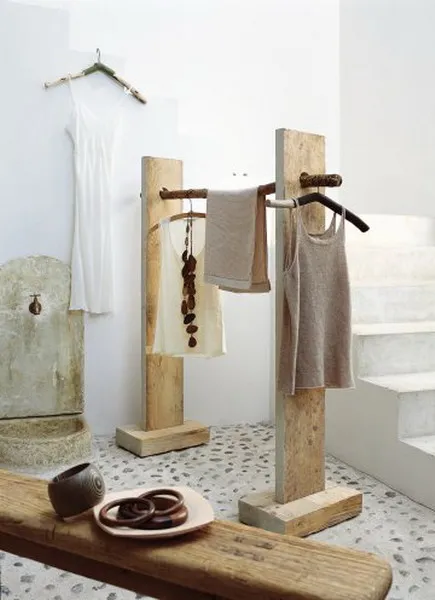
Salvaged Wood Kitchen Decor
Transforming your kitchen with salvaged wood is a fantastic way to infuse character, sustainability, and warmth into the heart of your home. This approach not only reduces environmental impact by repurposing existing materials but also adds a unique, rustic charm that’s hard to replicate with new construction. The inherent imperfections and history embedded in reclaimed wood create a story within your kitchen, making it a truly personalized space. From countertops to shelving, tables to accent walls, and accessories, the possibilities are endless. Let’s explore five design ideas to inspire your salvaged wood kitchen transformation. Get ready to discover how to create a stunning, eco-friendly kitchen that reflects your style and values, turning your kitchen into a conversation starter and a cozy retreat. Embracing salvaged wood means embracing a commitment to sustainability and a celebration of the beauty found in reclaimed materials, giving new life to forgotten wood and adding a unique touch to your kitchen design.
Reclaimed Wood Countertops
Reclaimed wood countertops are a statement piece, bringing natural warmth and texture to your kitchen. They offer a beautiful contrast to modern appliances and provide a durable, sustainable surface for food preparation and everyday use. The variations in grain, color, and texture add depth and character that’s impossible to achieve with new materials. Choosing reclaimed wood also reduces the demand for newly harvested timber, contributing to forest conservation efforts. Properly sealed and maintained, these countertops can last for decades, becoming a focal point that enhances the overall aesthetic of your kitchen design. The unique look of salvaged wood countertops ensures no two kitchens are exactly alike, allowing for a truly custom and personalized design. Integrating reclaimed wood into your kitchen design not only adds aesthetic value but also makes a positive environmental impact.
Choosing the Right Wood
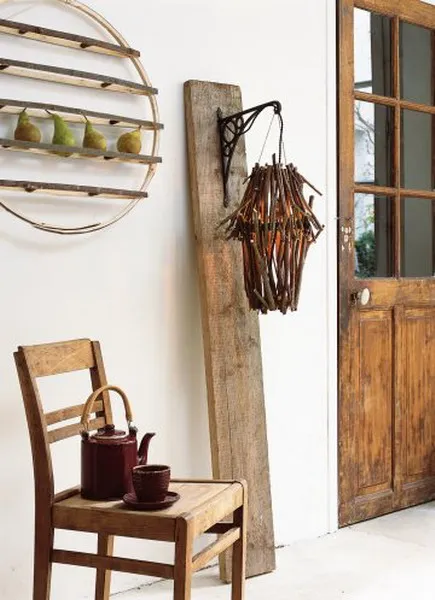
Selecting the right wood for your countertops is crucial. Consider the wood’s durability, water resistance, and aesthetic appeal. Hardwoods like oak, maple, and walnut are excellent choices for their resilience and ability to withstand the wear and tear of a busy kitchen. Softwoods, while beautiful, may require more careful maintenance and may not be ideal for high-use areas. The source of the wood is also important. Ensure the wood has been properly salvaged and treated to prevent issues like pests or rot. Researching the history of the wood can add another layer of storytelling to your design. Consider the wood’s grain pattern and color to complement your existing kitchen design, and think about how the wood will age over time. Proper research helps guarantee your salvaged wood countertops are both beautiful and long-lasting.
Maintaining Your Countertop
Proper maintenance is key to preserving the beauty and extending the life of your reclaimed wood countertops. Regular cleaning with mild soap and water is usually sufficient. Avoid harsh chemicals or abrasive cleaners, as they can damage the wood’s finish. Applying a food-safe sealant or oil periodically will help protect the wood from moisture and stains. Be mindful of hot items; using trivets or hot pads is essential to prevent scorch marks. Regularly inspect your countertop for any signs of damage, such as scratches or water damage, and address them promptly. By following these maintenance tips, you can ensure your salvaged wood countertops remain a stunning and functional feature of your kitchen for years to come, making them a sustainable and beautiful centerpiece of your kitchen design.
Salvaged Wood Shelving
Adding salvaged wood shelving is a simple yet effective way to introduce rustic charm and practical storage to your kitchen. These shelves can be used to display your favorite dishware, cookbooks, or decorative items, instantly adding personality and warmth to the space. Salvaged wood shelving is an excellent way to personalize your kitchen with unique character. The imperfections and variations in the wood provide a visual richness that contrasts beautifully with clean lines and modern design elements, creating a balanced and inviting atmosphere. Moreover, salvaged shelving is a fantastic DIY project, offering an opportunity to customize the size, style, and finish to perfectly match your kitchen’s aesthetic. They not only provide storage but also become a design element, enhancing the visual appeal of your kitchen design and adding a touch of your personal style.
Types of Shelves

There are several types of shelves to choose from when incorporating salvaged wood into your kitchen. Floating shelves offer a minimalist and modern look, creating an illusion of space and highlighting the beauty of the wood. Bracketed shelves provide a more traditional, rustic appeal, with visible brackets adding an industrial touch. Open shelving is ideal for frequently used items, making them easily accessible, while enclosed shelving units can offer a combination of open and closed storage options. Consider the weight of items to be stored, the overall aesthetic of your kitchen, and the level of storage and organization you need. Mixing different types of shelving can create visual interest and cater to various storage requirements. The choice of shelf type plays a significant role in defining the aesthetic and functionality of your salvaged wood kitchen design.
Installation Tips
Proper installation is essential for both the safety and the visual appeal of your salvaged wood shelves. Always locate studs in your wall to ensure the shelves are securely mounted, as studs provide the necessary support for heavy items. Use appropriate hardware, such as heavy-duty brackets or screws, rated for the weight capacity of the shelves and items you plan to store. Pre-drill holes in the wood to prevent splitting, especially when using hardwoods. Measure and level the shelves carefully before attaching them to the wall to ensure a straight and professional-looking finish. If you’re not comfortable with DIY installation, consider hiring a professional to ensure your shelves are safely and securely mounted. Safety is paramount, and investing time in proper installation guarantees your salvaged wood shelves are both aesthetically pleasing and functional for years to come.
Wood Kitchen Tables
A reclaimed wood kitchen table is a gathering spot that adds warmth and character to your dining area. It’s a piece of furniture that tells a story, with its unique grains and imperfections, creating a sense of history and charm. Sourcing a table from reclaimed wood connects you to a story beyond new design. From family dinners to casual gatherings, a salvaged wood kitchen table invites people to come together, fostering a warm and inviting atmosphere. The sturdy nature of reclaimed wood ensures that your table is as practical as it is beautiful, standing the test of time and becoming a cherished centerpiece in your home. With its unique aesthetic and sustainable origins, it transforms the dining space into a welcoming and inviting area for all occasions. The choice of a salvaged wood table is not just a design decision but a conscious choice that supports sustainable practices.
Styles of Tables

Salvaged wood kitchen tables come in various styles to match different kitchen aesthetics. Farmhouse tables often feature a distressed finish and sturdy construction, embodying rustic charm. Industrial tables combine reclaimed wood with metal legs or accents, creating a modern and edgy look. Modern tables can have clean lines and a natural wood finish, highlighting the wood’s beauty. Consider the size of your kitchen and the number of people you need to seat when choosing a table. Round tables encourage conversation and are great for smaller spaces. Rectangular tables offer more seating capacity and can fit well in larger dining areas. Explore different table styles to find one that enhances your kitchen’s decor and meets your dining needs, ensuring your salvaged wood table fits seamlessly into your kitchen space.
Table Maintenance
To maintain the beauty and longevity of your reclaimed wood kitchen table, regular care is essential. Protect the surface from heat and moisture by using placemats, coasters, and trivets. Clean the table regularly with a damp cloth and mild soap, avoiding harsh chemicals or abrasive cleaners. Re-seal the table periodically with a food-safe sealant or oil to protect the wood from stains and water damage. If scratches or dents occur, you can often repair them with wood filler and touch-up stain. By following these maintenance tips, your salvaged wood kitchen table will remain a beautiful and functional focal point in your kitchen for years to come. Consistent maintenance preserves its inherent beauty and ensures it remains a cherished feature of your kitchen.
Salvaged Wood Accent Walls
A salvaged wood accent wall is a striking design element that can instantly transform your kitchen, adding texture, depth, and character. This feature provides a visual focal point, drawing the eye and creating a sense of warmth and natural beauty. The use of reclaimed wood introduces unique imperfections and a history that mass-produced materials cannot replicate. It can be used in various ways such as behind the kitchen range, on an entire wall, or even as a backdrop for a breakfast nook, adding visual interest and a touch of rustic charm to your kitchen. The installation of an accent wall made of salvaged wood allows you to showcase the beauty of reclaimed wood, adding a distinct touch to the overall design of your kitchen and reflecting your personal style in a unique manner.
Preparing the Wall

Proper preparation is critical for a successful salvaged wood accent wall installation. First, clean the existing wall surface thoroughly to remove any dirt, dust, or loose paint. Ensure the wall is level and structurally sound; repair any imperfections, such as cracks or holes, before proceeding. Consider adding a moisture barrier to protect the wall from potential damage. Decide on the layout and design of your accent wall, measuring and planning the placement of the wood pieces. Finally, gather all necessary tools and materials, including a stud finder, level, saw, and adhesive or nails. Properly preparing the wall ensures a professional-looking finish and long-lasting beauty. Taking the time to prep is crucial for a successful accent wall installation, guaranteeing that your salvaged wood design is both visually appealing and structurally sound, making it a stunning feature in your kitchen.
Wood Selection
The selection of salvaged wood for your accent wall is paramount to achieving the desired aesthetic. Choose wood that complements the existing colors and style of your kitchen. Consider the wood’s texture, grain pattern, and color variations to add visual interest. Reclaimed barn wood, with its weathered look and rustic charm, is a popular choice. Alternatively, you can use reclaimed wood from other sources, such as old fences or pallets. Mix and match different types of wood to create a more eclectic and unique design, playing with textures and colors to achieve the desired visual impact. Ensure the wood is properly treated to prevent pests and rot, and consider a protective finish to preserve its beauty and facilitate cleaning. The right wood selection contributes significantly to the overall impact and beauty of your salvaged wood accent wall, making it a stunning feature in your kitchen design.
Salvaged Wood Kitchen Decor Accessories
Incorporating salvaged wood accessories is the perfect way to add the finishing touches to your salvaged wood kitchen. These details can tie together the entire design, adding character, charm, and a touch of personality. Accessories are a simple way to introduce the beauty of reclaimed wood into your kitchen. From cutting boards and serving trays to utensil holders and wall art, salvaged wood accessories add warmth and a touch of rustic charm. These unique items often feature imperfections, such as knots and grain patterns, which give each piece a unique look. Selecting accessories that complement your existing decor and design will enhance the overall aesthetic of your kitchen, creating a cohesive and inviting space. Salvaged wood accessories provide an opportunity to support sustainability and showcase your commitment to eco-friendly practices in every aspect of your kitchen.
Accent Decor

Accent decor made from salvaged wood can include a wide range of items, each offering a unique way to enhance your kitchen’s aesthetic. Consider adding wooden cutting boards, serving trays, and utensil holders, adding a touch of warmth and functionality. Display wooden wall art featuring inspiring quotes or natural scenes, or incorporate reclaimed wood picture frames. Look for items like handcrafted wooden bowls or decorative boxes to add interest to countertops and shelves. Mix and match different wood tones and textures to create visual interest. These accent pieces add personality, warmth, and sustainability to your kitchen. Using a variety of salvaged wood accessories helps to create a cohesive and stylish design. They also make excellent conversation starters, drawing attention and appreciation for their unique origins.
Finishing Touches
The finishing touches are what truly bring your salvaged wood kitchen to life. Pay attention to the small details, such as the hardware on your cabinets and drawers, which can complement the rustic aesthetic of the wood. Consider using vintage-inspired cabinet pulls or knobs. Incorporate textiles, such as natural fiber curtains or woven rugs, to add warmth and texture. Display fresh herbs or plants to add a touch of life and freshness. Carefully selecting and placing these finishing touches is vital to integrating the design features. Consider the lighting: warm, ambient lighting enhances the inviting atmosphere of your kitchen. With these finishing touches, you create a cohesive and inviting space. These accents can transform your kitchen, making it a welcoming and personalized space that reflects your style and commitment to sustainability and design.