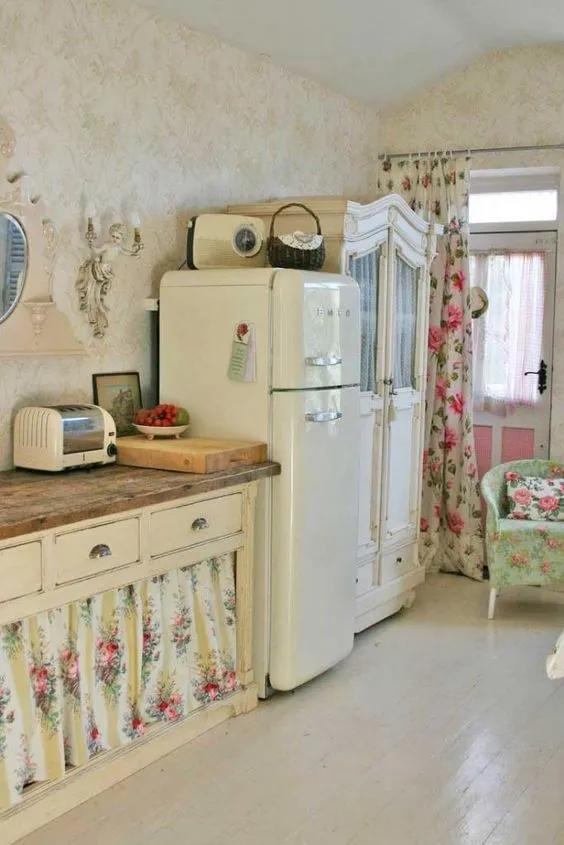
What is Shabby Chic Kitchen Decor?
Shabby chic kitchen decor is a design aesthetic that embraces a vintage, romantic, and slightly worn look. It’s about creating a space that feels inviting, comfortable, and full of character. The core idea is to incorporate elements that look aged and well-loved, often mixing antique or vintage pieces with newer items to create a cohesive, charming environment. This style is characterized by its soft color palettes, distressed finishes, and a general sense of understated elegance. If you are a lover of Pinterest, you’ll find tons of inspiration for shabby chic kitchens, showcasing various interpretations and ideas to create your dream space. The appeal lies in its ability to make a kitchen feel like a cozy haven, far removed from the sleek, modern styles that dominate contemporary design. This design philosophy values functionality without sacrificing aesthetics, making it perfect for those who want a kitchen that is both practical and visually delightful. The goal is to create a space that tells a story, reflecting a blend of old-world charm and modern comfort, perfect for cooking, entertaining, and simply enjoying the heart of your home.
The Origins of Shabby Chic
The term “shabby chic” was coined in the late 1980s by Rachel Ashwell, a British designer who found inspiration in flea markets and vintage finds. Ashwell’s vision was to create a home that was beautiful but not too precious. Her philosophy was centered around comfort and functionality, where items didn’t need to be perfect to be loved. The style quickly gained popularity, appealing to those seeking a relaxed, lived-in aesthetic. Ashwell’s influence spread through her books and design projects, further solidifying shabby chic as a recognizable and sought-after style. This movement was a reaction to the more formal and overly decorated homes of the time, offering a refreshing alternative that celebrated imperfection and the beauty of aging. The style’s roots lie in the desire to make spaces feel personal, reflecting the lives and histories of those who live there, rather than adhering to rigid design rules. The use of reclaimed materials and the embracing of flaws are essential to the philosophy, creating a sense of history and authenticity that is central to shabby chic’s appeal.
Key Elements of Shabby Chic Design

Several key elements define the shabby chic aesthetic. First and foremost is the use of soft, muted color palettes, often featuring whites, creams, pastels, and faded hues. These colors create a sense of airiness and tranquility, forming the perfect backdrop for the other elements. Distressed or aged finishes are also essential. This can be achieved through techniques like sanding, chipping paint, or using chalk paint to give furniture a weathered appearance. Vintage or antique furniture is another hallmark of the style, adding character and a sense of history. Look for pieces with ornate details, curved lines, and a lived-in feel. Accessories play a vital role in completing the look. Consider incorporating vintage finds like porcelain dishes, ornate mirrors, and delicate glassware. Textiles are also key; think of using lace, linen, and floral patterns to bring softness and warmth to the kitchen. The overall atmosphere should be one of relaxed elegance, with a touch of whimsy and charm, making the space feel both inviting and visually appealing. These elements, combined with careful attention to detail, allow you to create a kitchen that truly embodies the essence of shabby chic.
Color Palette Selection
The color palette is the foundation of a shabby chic kitchen. Soft, muted tones are the key to creating the desired atmosphere. White is often the dominant color, providing a clean and bright base that reflects light and makes the space feel larger. Cream, off-white, and pale gray are also excellent choices for walls, cabinets, and furniture. Pastel shades like light pink, baby blue, mint green, and lavender can be used as accent colors to add subtle pops of color and visual interest. These colors should be used sparingly, perhaps on accent pieces, textiles, or decorative items. When selecting your color palette, consider the lighting in your kitchen. Natural light will enhance the softer tones, while artificial light may require slightly warmer hues to prevent the space from feeling cold. It is best to test paint colors in your kitchen before committing to a full application, to ensure they work well with the overall feel you’re trying to achieve. The goal is to create a harmonious and calming environment that feels both inviting and aesthetically pleasing, using colors that evoke feelings of nostalgia and tranquility. The use of these colors will transform your space.
Choosing the Right Furniture
Furniture selection is crucial in achieving the shabby chic look. Look for pieces with character, such as antique or vintage tables, chairs, and cabinets. Consider items with ornate details like carved legs, decorative moldings, and delicate hardware. Distressed finishes are a hallmark of this style, so don’t be afraid to choose pieces with chipped paint, weathered wood, or worn surfaces. Chalk paint is an excellent tool to distress new or existing furniture. This paint adheres well to various surfaces and is easily sanded to achieve a worn look. When selecting chairs, opt for styles like spindle-back chairs, ladder-back chairs, or even mismatched chairs for a more eclectic feel. A large farmhouse-style table is a classic centerpiece for a shabby chic kitchen, providing ample space for meals and gatherings. Display cabinets, dressers, or sideboards can be repurposed as kitchen storage, adding both functionality and visual appeal. The key is to select furniture that looks well-loved and has a story to tell, creating a space that feels both practical and charming. Always look on Pinterest for furniture ideas to make your space unique.
Antique Finds & Repurposing Ideas

Antique finds and repurposing are essential elements in the shabby chic style. Flea markets, antique shops, and vintage stores are treasure troves for unique pieces that add character to your kitchen. Consider incorporating items like vintage scales, enamelware, old breadboards, and antique china. Repurposing items adds a sustainable and creative touch to your decor. An old ladder can be used as a pot rack, vintage suitcases can serve as storage, and an old door can be transformed into a kitchen island. Consider repurposing items to save money and give your space unique character. Old crates can be used as open shelving, and mason jars can be repurposed as drinking glasses or storage containers. Embrace the imperfection and the history that comes with antique finds. A chipped enamel pot, a worn wooden spoon, or a tarnished silver tray adds a touch of authenticity and charm. The goal is to create a space that feels personal and reflects your individual style. These finds and repurposed pieces add a distinct narrative to your kitchen, turning it into a unique and inspiring space, creating a place where the past meets the present.
Accessorizing Your Kitchen
Accessories are the finishing touches that bring the shabby chic style to life. Vintage porcelain dishes, teacups, and saucers can be displayed on open shelves or in glass-front cabinets. Worn, ornate mirrors add depth and reflect light, making the space feel brighter and more open. Decorative glassware, such as crystal goblets, vintage pitchers, and delicate vases, can be arranged on countertops or windowsills. Use antique silver trays, cake stands, and serving dishes to add a touch of elegance. Consider incorporating elements like fresh flowers, herbs in vintage pots, and antique candlesticks to bring life and personality to the space. Fabric napkins, dish towels, and pot holders in floral patterns or soft colors add a touch of texture and warmth. Displaying antique cookbooks or vintage recipe cards can also contribute to the kitchen’s charm. The key is to select accessories that tell a story and reflect your individual style. Don’t be afraid to mix and match different items, creating a curated collection that adds character and charm. Through these accessories, your kitchen will not only become functional but also a visual delight.
Textiles and Fabrics
Textiles and fabrics play a significant role in defining the cozy, romantic atmosphere of a shabby chic kitchen. Soft, natural materials such as linen, cotton, and lace are the cornerstones of this design element. Linen curtains in soft white or pastel hues create an airy and inviting feel, filtering sunlight gently. Cotton dish towels and oven mitts in floral patterns or simple stripes add warmth and texture to the space. Lace doilies and tablecloths can be used to dress up tables and countertops, bringing a touch of vintage charm. Consider adding throw pillows with floral prints or delicate embroidery to chairs or benches. Upholstering chairs or benches in linen or cotton fabric in soft colors enhances the comfort and visual appeal of the seating. The use of layered textiles, such as a linen tablecloth layered with a lace runner, adds depth and visual interest. When selecting textiles, prioritize natural fabrics and delicate patterns. The goal is to create a sense of softness and warmth, adding comfort and style to your kitchen. These textiles will help bring all elements together and make your kitchen look inviting.
Lighting and Ambiance

Lighting and ambiance are critical in completing the shabby chic look. Soft, warm lighting creates a cozy and inviting atmosphere. Chandeliers with crystal or beaded details are a classic choice, adding elegance and a touch of glamour. Pendant lights with distressed finishes or vintage-inspired shades can be hung over kitchen islands or dining tables. Wall sconces with delicate designs add ambient lighting and create a romantic feel. Candles, both real and battery-operated, are essential for setting the mood, providing soft, flickering light. The use of dimmer switches allows you to adjust the lighting levels, adapting the space for various activities. Consider adding string lights or fairy lights to cabinets, shelves, or windowsills to create a whimsical and enchanting ambiance. Choose lighting fixtures with a vintage or antique aesthetic to complement the overall design. The goal is to create a warm, inviting, and comfortable space that feels welcoming and serene. These lighting choices will not only illuminate your kitchen but also enhance its overall charm, contributing to the inviting atmosphere that defines shabby chic.
Bringing it All Together
Transforming your kitchen into a shabby chic haven is a journey that involves careful consideration of all the elements discussed. Start by defining your color palette, choosing soft, muted tones as a foundation. Select furniture with character, such as antique tables, chairs, and cabinets with distressed finishes. Incorporate antique finds and repurposed items to add personality and charm. Accessorize with vintage porcelain dishes, ornate mirrors, and decorative glassware. Choose textiles in soft colors, natural fabrics, and delicate patterns. Ensure your lighting is soft and warm, using chandeliers, pendant lights, and candles to create the desired ambiance. The key to success is to embrace imperfections and the beauty of aging. Shabby chic is about creating a space that feels personal, comfortable, and full of character. This is a style that blends beauty and practicality, creating a space that reflects your style and tastes. By following these guidelines and embracing the core principles of shabby chic design, you can create a kitchen that is both beautiful and welcoming, a space that will become the heart of your home. With careful attention to detail, your kitchen can be transformed into a haven of timeless charm, perfect for cooking, entertaining, and enjoying the simple pleasures of life.