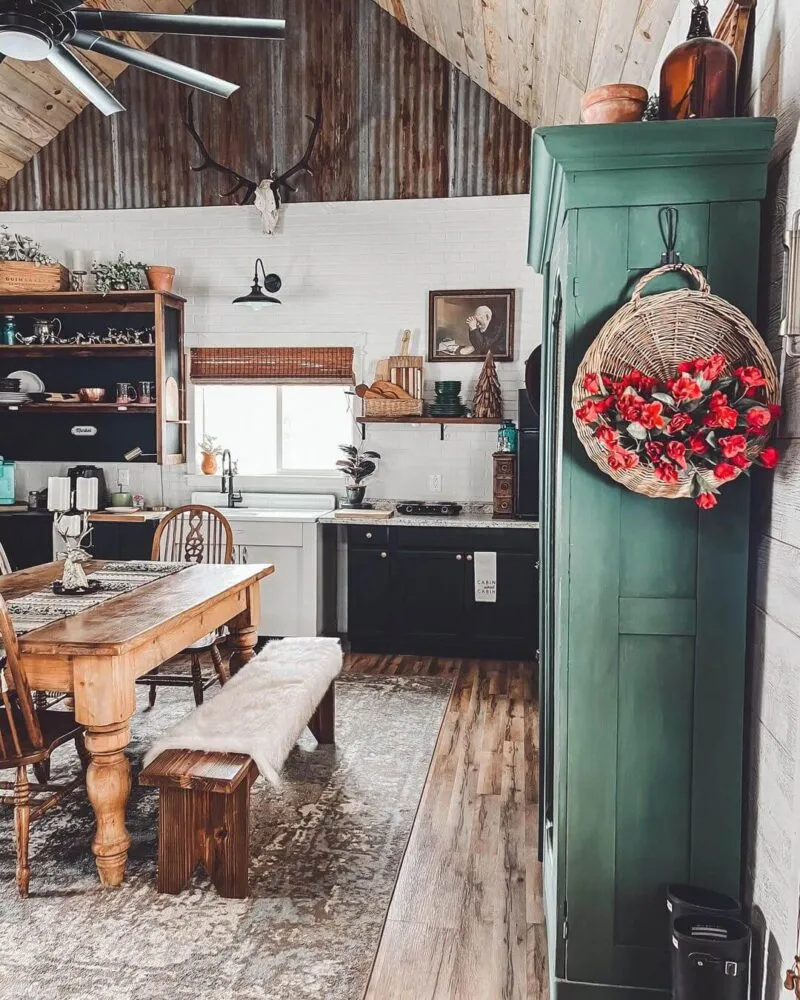
What is Western Kitchen Decor
Western kitchen decor and design is more than just a style; it’s an homage to the rugged spirit of the American West. It embraces natural materials, warm colors, and a sense of history, creating a welcoming and comfortable space. This style often evokes images of sprawling ranches, open landscapes, and a connection to nature. Unlike minimalist or modern kitchens, Western design prioritizes functionality and comfort, often incorporating vintage or handcrafted elements that tell a story. It’s about creating a space that feels lived-in, inviting, and reflects a love for the outdoors and a respect for craftsmanship. If you’re drawn to this aesthetic, be prepared to infuse your kitchen with textures like wood, stone, and leather, along with a palette of earthy tones.
The Essence of Western Design
The essence of Western design lies in its ability to blend functionality with a deep appreciation for the natural world. It’s about creating a space that feels both grounded and expansive, echoing the vastness of the Western landscapes. This style emphasizes authenticity, using materials that have a history and tell a story. It avoids the overly polished or pristine look, instead embracing imperfections and signs of wear as elements of character. This approach extends beyond aesthetics, incorporating practical design choices that reflect a lifestyle of resourcefulness and self-reliance. Think about the use of durable materials, ample storage, and a layout that encourages gathering and interaction. It’s about creating a kitchen that is not only beautiful but also serves as a central hub for family and friends.
Key Elements of Western Style

Several key elements define the Western style. Natural materials are paramount, with wood taking center stage in cabinetry, flooring, and even ceiling beams. Stone, whether used for countertops, backsplashes, or accents, adds a touch of rugged elegance. Leather is another essential element, often found in bar stools, chairs, and decorative details. Wrought iron provides a touch of industrial charm, frequently seen in light fixtures and hardware. The use of textiles, such as woven rugs and patterned fabrics, adds warmth and texture to the space. These elements combine to create a cohesive look that reflects the spirit of the West. Incorporating these elements creates a feeling of authenticity, and contributes to the overall design.
Color Palette & Materials
The color palette in a Western kitchen design typically revolves around warm, earthy tones. Think of rich browns, deep reds, and creamy whites, all reminiscent of the natural landscape. These colors create a sense of comfort and coziness, making the kitchen a welcoming space. Natural materials are essential to achieve this look. Wood in various shades, from light oak to dark walnut, is a cornerstone of the style, used for cabinetry, flooring, and even ceiling beams. Stone, such as granite or slate, adds a touch of rugged elegance and can be used for countertops, backsplashes, or decorative accents. Metal accents, often in a matte black or bronze finish, add contrast and a touch of industrial charm.
Choosing the Right Color Scheme
When choosing a color scheme for your Western kitchen, start with a neutral base, such as a warm white or a light beige, for the walls and cabinetry. This will provide a versatile backdrop for other colors and textures. Then, incorporate accent colors that reflect the landscape. Deep reds, inspired by the sunset or the color of the earth, can be used for accessories or a statement wall. Browns, ranging from light tan to rich chocolate, are essential for creating a sense of warmth and grounding. Consider incorporating elements of the desert, like sand or sage green, in your accents or decor. The key is to create a balance that feels inviting and true to the style. Remember to use color sparingly, with the goal of adding depth and dimension rather than overwhelming the space.
Incorporating Natural Materials

Incorporating natural materials is crucial for capturing the essence of Western design. Wood is the most prominent material, offering warmth and character. Choose wood for cabinetry, flooring, and even ceiling beams. Opt for reclaimed wood if possible, as it adds history and a sense of authenticity to the space. Stone, whether granite, slate, or other natural stones, is also a great addition. Use it for countertops, backsplashes, or even a statement wall. Incorporate leather in seating, such as bar stools or dining chairs, and consider using woven rugs or textiles for added texture. These natural elements create a connection to the outdoors, contributing to the overall aesthetic of the Western kitchen.
Furniture & Fixtures
The furniture and fixtures in a Western kitchen should reflect the rugged and functional spirit of the design. Focus on pieces that are made from natural materials and that have a timeless appeal. Choose furniture that is comfortable and inviting, encouraging gathering and interaction. Opt for durable pieces that can withstand the rigors of daily use. The lighting fixtures should also contribute to the overall aesthetic, providing both functionality and visual appeal. Consider using a combination of task lighting, ambient lighting, and accent lighting to create a well-lit and inviting space. The furniture and fixtures can also be mixed with vintage items for creating a personalized feel.
Selecting Rustic Kitchen Furniture
When selecting rustic kitchen furniture, look for pieces that are made from solid wood, with a natural finish that highlights the wood’s grain. Consider choosing a distressed finish to give the furniture a sense of history and character. A large farmhouse-style dining table, surrounded by sturdy wooden chairs or benches, is a great centerpiece for the kitchen. Add a rustic island with a butcher block countertop to provide additional workspace and storage. For seating, consider leather or upholstered chairs with wooden frames, and look for bar stools with a vintage feel. The furniture should be practical and comfortable, contributing to the inviting atmosphere.
Choosing Appropriate Fixtures

The appropriate fixtures will enhance the Western design. Select fixtures that complement the rustic aesthetic. Consider using pendant lights with wrought iron or metal finishes over the kitchen island or dining area. Choose a farmhouse-style sink with a gooseneck faucet to add a touch of vintage charm. Incorporate cabinet hardware with a rustic look, such as wrought iron pulls or knobs. Select a range hood that features a rustic design, and choose appliances that blend in with the overall aesthetic. These fixtures will tie the design together, providing a functional yet stylish space.
Decorations and Accessories
Decorations and accessories play a crucial role in completing the Western kitchen design. They add personality, warmth, and character to the space. Choose items that reflect the spirit of the West, such as vintage signs, artwork depicting landscapes or wildlife, and handcrafted items. Incorporate textiles like woven rugs, patterned curtains, and throw pillows to add texture and color. Displaying collections of vintage dishes or pottery can also add a personal touch. The decorations should be chosen thoughtfully, with a focus on creating a cohesive and inviting atmosphere.
Adding Western-Themed Accessories
Adding Western-themed accessories is essential for creating the look. Include items such as cowboy hats, leather-bound books, and vintage tools to add a touch of authenticity. Consider incorporating items like horseshoes, cattle brands, or Native American-inspired artwork. Displaying these items adds character to the kitchen, complementing the design. When choosing accessories, select pieces that have a story to tell, and make sure they are well-integrated with the overall aesthetic. Incorporating accessories is a way to personalize the space and add visual interest to the kitchen.
Showcasing Artwork and Collectibles

Showcasing artwork and collectibles adds a personal touch. Select artwork that reflects the Western landscape, such as paintings of mountains, canyons, or wildlife. Display vintage signs, photographs, or maps of the West to create visual interest. Consider displaying a collection of vintage dishes, pottery, or other collectibles on open shelves or in glass-front cabinets. This allows for showcasing personal interests while enhancing the design. These items serve as focal points, adding to the overall character of the kitchen.
Planning Your Kitchen Layout
Planning your kitchen layout is crucial for functionality and achieving the Western design aesthetic. Prioritize the “kitchen triangle”, which connects the sink, the refrigerator, and the cooktop. Ensure that these key areas are accessible and positioned for convenience. Consider the flow of traffic within the kitchen, and ensure there is enough space for people to move around comfortably. Decide on the placement of the island, which often serves as a central workspace and gathering spot. Carefully evaluate the amount of storage space needed and how you can use cabinets and drawers effectively. The design must maximize space while reflecting the Western style.
Optimizing Space for Functionality
Optimizing space for functionality in a Western kitchen involves thoughtful consideration of storage solutions and workflow. Incorporate pull-out drawers and shelves for easy access to items. Utilize open shelving to display dishes, pottery, or decorative items. Design an island with ample storage and workspace. Consider a pantry for food storage. The goal is to make the most of the available space without compromising the kitchen’s style. Incorporating efficient storage solutions, which will enhance functionality and the overall effectiveness of the space.
Considering the Kitchen Triangle

The kitchen triangle concept optimizes the functionality of a kitchen. Place the sink, the refrigerator, and the cooktop in a triangular configuration. This arrangement reduces the distance between the three main work areas. Consider the flow of traffic to ensure that the layout is safe and convenient. Placing the appliances in this format will create an efficient and functional space that is ideal for cooking and socializing. The design should create an efficient space.
Budgeting and Planning
Budgeting and planning is essential for a successful Western kitchen design project. Define your budget early on, and stick to it as much as possible. Research the costs of materials, appliances, and labor. Prioritize what you need to spend on, such as quality materials, and know where you can cut back. Create a detailed plan that includes the layout, color scheme, and selection of materials and fixtures. Get multiple quotes from contractors and suppliers to ensure you are getting the best value. Consider DIY options for projects to reduce costs. A well-planned budget will prevent unexpected expenses and keep the project on track.
Setting a Realistic Budget
When setting a realistic budget, it’s important to factor in all potential costs. Research prices of materials, appliances, and labor. Allocate funds for unexpected expenses, which always arise during projects. Decide which areas you are willing to invest in and where you are willing to save money. Determine the type of renovations that fit within your budget. Getting multiple quotes from contractors will help you understand costs. Setting a budget is critical for managing the project effectively.
DIY vs. Professional Design

Deciding whether to do DIY projects or hire professionals is an important consideration. DIY projects can save you money if you have the skills and time. However, certain aspects, such as electrical work and plumbing, may need professional expertise. Evaluate your skills and the complexity of the project. Consider hiring a professional designer to guide the project, provide expertise, and ensure an efficient space. Hiring professionals can also save time. Make sure you understand the budget constraints and decide which approach is best.
Maintaining Your Western Kitchen
Maintaining your Western kitchen is important to keep it looking its best and extend its lifespan. Clean wood surfaces regularly with appropriate cleaning products. Protect stone countertops by sealing them periodically. Clean and maintain metal fixtures, and ensure that textiles are cleaned according to their specific instructions. Inspect the kitchen regularly for any damage or wear, and address issues promptly. Proper maintenance will ensure your kitchen looks inviting. It will also preserve the beauty and functionality of the space for years to come.
In conclusion, designing a Western kitchen is a rewarding project that can transform your home into a warm, inviting, and character-filled space. By focusing on natural materials, earthy colors, and a blend of rustic and functional elements, you can create a kitchen that evokes the spirit of the American West. Careful planning, budgeting, and attention to detail are essential to bring your vision to life. With these tips, you are well on your way to creating a stunning Western kitchen.